
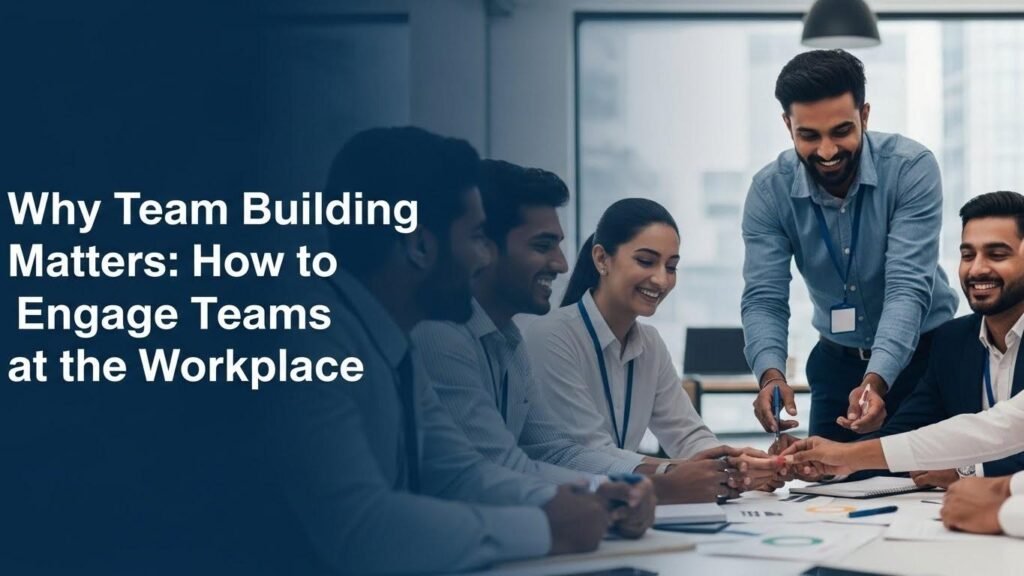
Creating a workplace where employees feel connected, motivated, and supported is becoming more important every year. Organizations that focus on team building are able to build trust, reduce conflicts, and improve collaboration across departments. In fast-moving work environments, the importance of team building is clearer than ever, because teams now work across different locations, time zones, and responsibilities.
A strong team doesn’t just happen on its own. It is shaped by intentional efforts, shared experiences, and meaningful interactions. Through these efforts, employees learn how to communicate better, solve problems together, and rely on one another. This article explains why team building matters and how companies can use it to keep teams fully engaged at work.

Why Team Building Matters Today
Modern workplaces face challenges such as remote setups, digital communication barriers, and increasing workloads. Because of these, the importance of team building continues to rise. When employees feel disconnected, their motivation and productivity naturally decline. But when they participate in shared experiences, communication improves, and teamwork becomes smoother.
The strength of a team directly affects performance. When people feel heard and valued, they take more initiative. When they trust their teammates, they collaborate more naturally. And when they enjoy working together, they create a more supportive environment for everyone.
Key Benefits of Team Development
There are many meaningful benefits of team building, but the most impactful ones are often the simplest:
Better Communication
Employees learn to express ideas clearly and listen more actively, reducing misunderstandings.
Stronger Relationships
People work better with teammates they know and trust. This creates a sense of belonging, which improves engagement.
Higher Motivation
Another of the major benefits of team building is the boost in morale. Fun or meaningful group experiences help employees feel refreshed and appreciated.
Collaboration Becomes Easier
When team members understand each other’s strengths, they coordinate more effectively on daily tasks and long-term projects.
All these outcomes contribute to a more positive and productive atmosphere.
How Team Building Activities Improve Engagement
Well-designed team building activities bring people together through shared challenges, creativity, or problem-solving. These experiences strengthen bonds and encourage employees to communicate naturally.
Some ways these activities help include:
Encouraging Creativity
Creative challenges push teams to think differently and explore new ideas.
Building Leadership Skills
Certain team building activities reveal leadership qualities in employees who may not usually take the lead.
Reducing Stress
Relaxed, enjoyable activities give people a break from daily routines, making them feel more refreshed and motivated.
Developing Trust
Trust grows when employees work together toward a common goal, especially in activities that require cooperation.
When employees enjoy these moments, they carry that positive energy back into work.
Types of Activities That Make a Difference
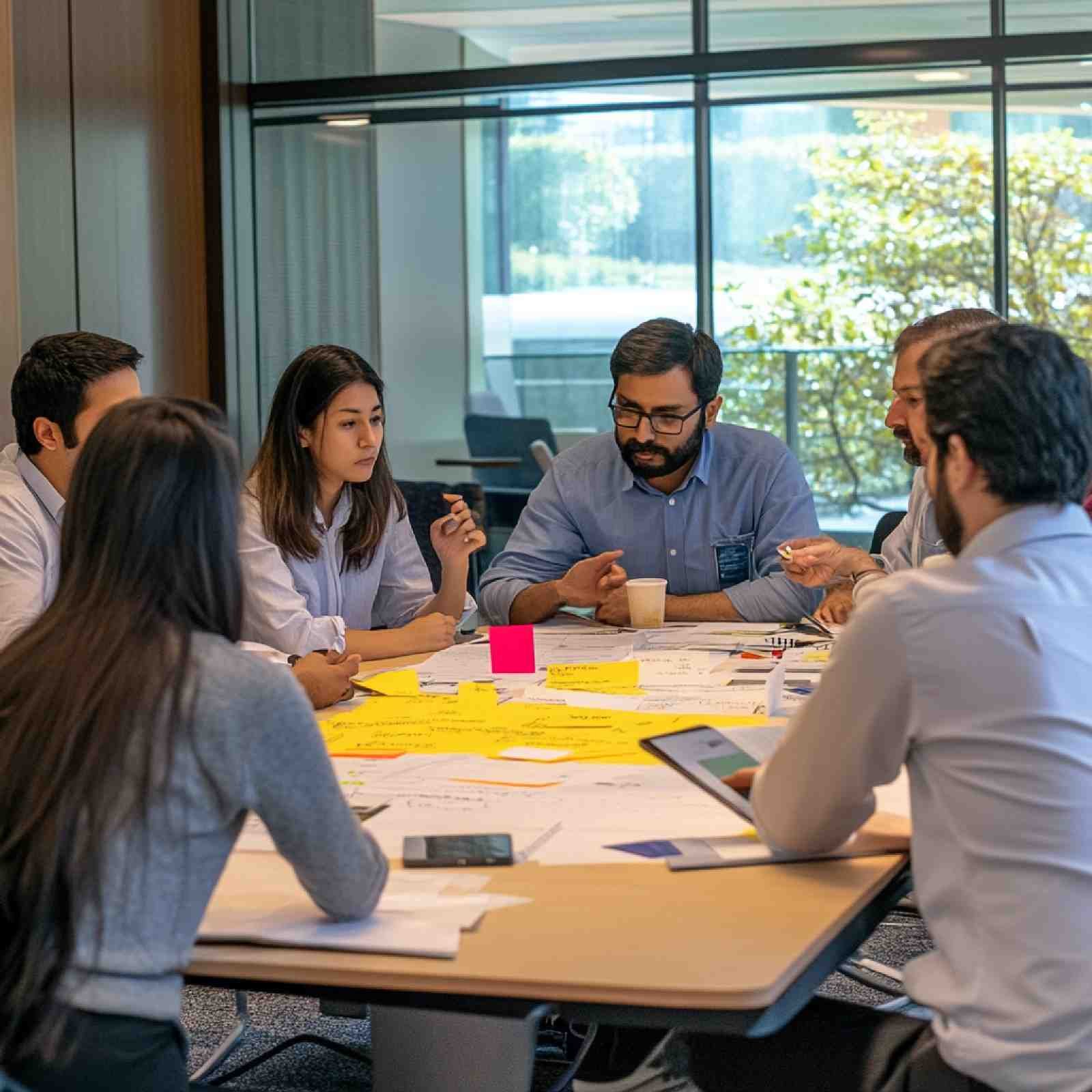
Not all exercises are equally effective, so choosing the right team building activities matters. Companies should select activities that match their teams’ personalities and goals.
Communication-Focused Activities
Group discussions, partnered listening exercises, and storytelling help employees practice clarity and empathy.
Problem-Solving Challenges
Puzzles, escape rooms, and strategy games improve analytical thinking and teamwork.
Outdoor or Physical Activities
Sports, nature walks, and team challenges build energy and connection.
Workplace-Based Sessions
Workshops or brainstorming tasks encourage employees to improve everyday collaboration.
Selecting the right activity creates meaningful engagement rather than forcing participation.
Team Building’s Role in Shaping Culture
Every workplace has its own identity, values, and environment. A strong corporate culture is built when employees share positive experiences and feel connected to one another. Consistent team building contributes to this by promoting respect, open communication, and teamwork.
When culture is strong, employees take more responsibility, support their coworkers, and represent the company with pride. This is one of the long-term advantages of focusing on engagement and connection.
Practical Ways to Engage Teams at Work
Companies can use simple approaches to keep employees engaged:
- Provide regular opportunities for connection
- Mix skill-building sessions with fun experiences
- Encourage open discussions after each event
- Recognize effort and celebrate group achievements
- Choose inclusive activities that everyone can enjoy
These small efforts make a big difference in team energy and commitment.

Final Thoughts
Focusing on team building is one of the most effective ways to create a workplace where people collaborate better, communicate more openly, and feel motivated to contribute. When organizations understand the deeper value behind these experiences, they begin to see lasting improvements in performance and engagement. With thoughtful planning and meaningful interactions, teams become stronger, more connected, and more prepared for long-term success.