
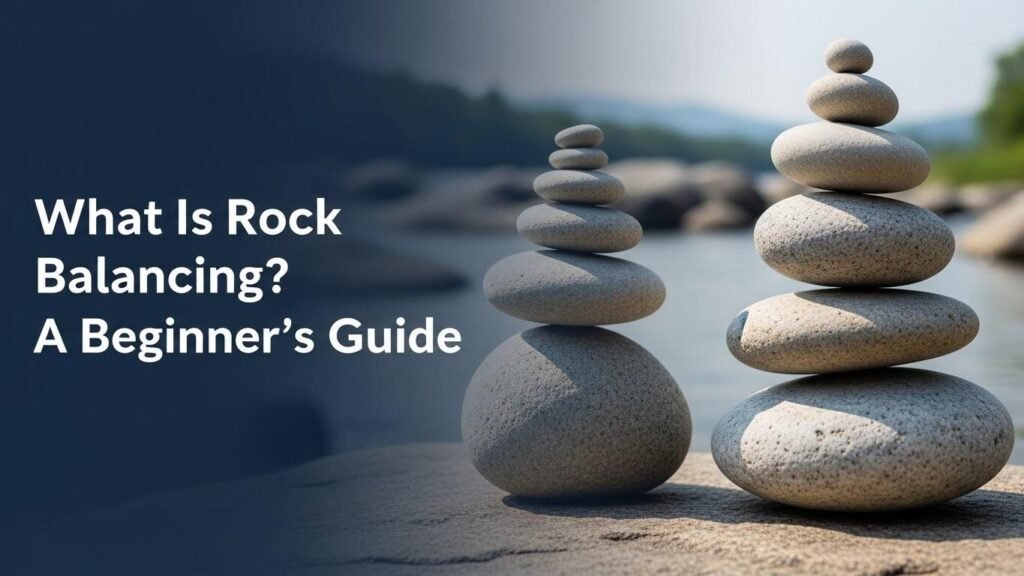
If you’ve ever seen a stack of stones perfectly balanced on top of each other and wondered, “How is that even possible?”, welcome! This beginner’s guide to rock balancing is designed to walk you through the magic, mindfulness, and creative joy behind this fascinating natural art form.
Whether you’re drawn to nature, creativity, or simply looking for a calming hobby, rock balancing is an incredibly rewarding practice. In this guide, we’ll explore what rock balancing really means, how it works, why people love it, and how you can start creating your own stone masterpieces.
What Is Rock Balancing?
At its core, rock balancing is the art of arranging stones in gravity-defying formations without the use of glue, wires, or support. It involves finding the natural points of balance in each rock and stacking them in a way that creates stability.
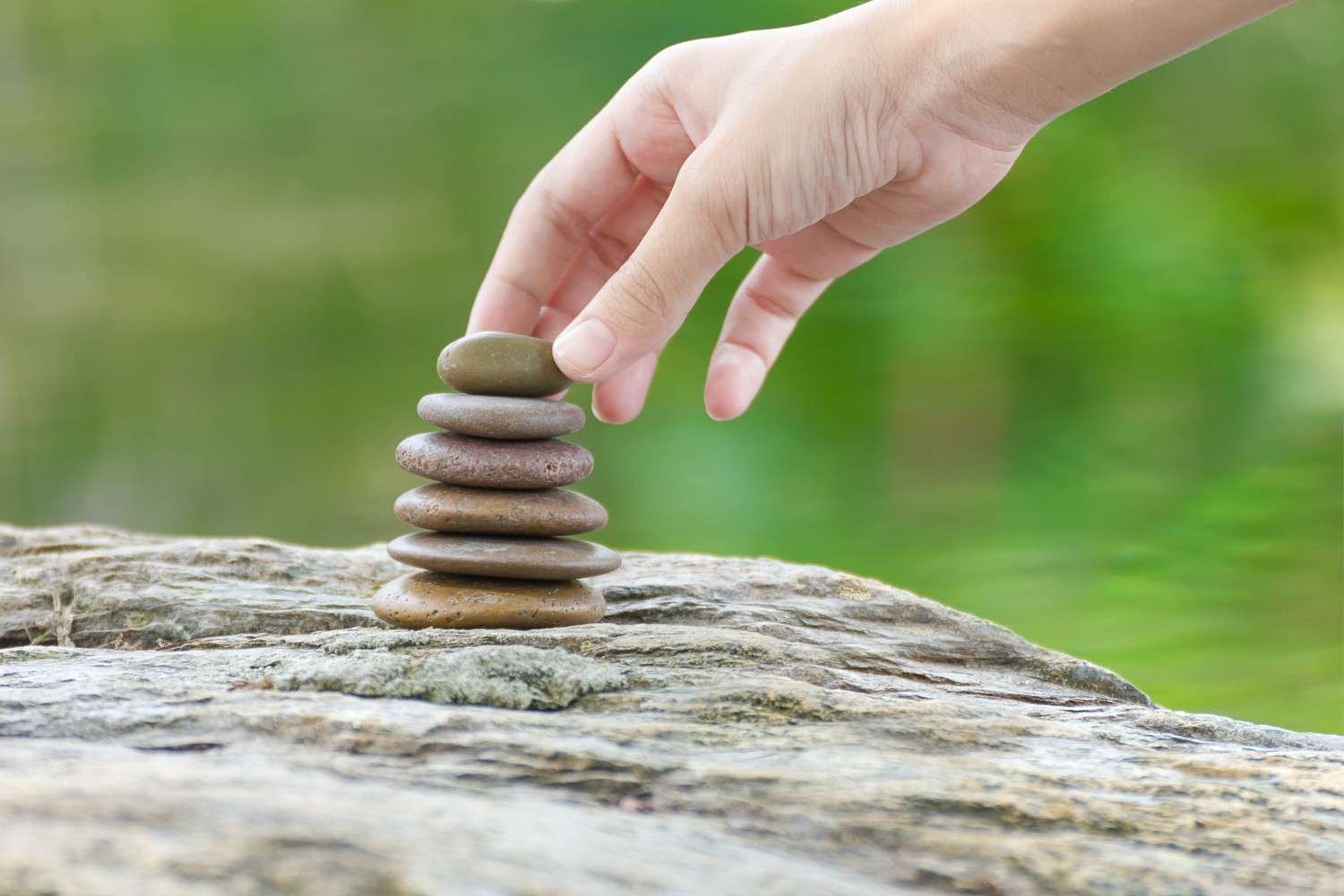
It might look like magic, but it’s actually a combination of physics, patience, and presence.
People practice rock balancing for different reasons:
- As a form of meditation
- As a creative outlet
- As nature-based art
- As a way to slow down and become mindful
- Or simply because it feels fun and relaxing
In the world of rock balancing art, every stone has a personality. Each surface, curve, and edge affects how and where it can rest. Once you learn to sense these balance points, the process becomes surprisingly intuitive.
Why Rock Balancing Is More Than Just Stacking Stones
While the concept is simple, the experience is much deeper. Many people consider rock balancing art a cross between nature therapy and creative expression. Let’s break down why it resonates with so many artists and nature lovers.
It’s a Mindful, Meditative Practice
Balancing stones requires you to slow down, breathe, and become fully present. You can’t rush the process, and that’s exactly why it’s so calming.
It Connects You With Nature
You’re working with raw, natural materials, textures, shapes, and weight. The environment becomes part of the experience.
It Encourages Patience and Focus
When a formation collapses (and it will!), you learn to try again. This gentle persistence builds focus and inner calm.
It’s an Eco-Friendly Creative Outlet
Unlike crafts that rely on tools and materials, rock balancing is simple, free, and leaves very little impact when practiced responsibly.
How Rock Balancing Works
To truly understand what rock balancing is, it helps to know the basic science behind it.
Every stone has a center of gravity, a point where its weight is evenly distributed. When you balance rocks, you’re finding that point and aligning it with the rock beneath it.
Here’s what affects balance:
- Shape
- Weight distribution
- Texture and friction
- Contact points
- Angle of placement
When these elements align, the stones stay balanced, even if they look impossible.
Types of Rock Balancing Art
Not all stone formations are the same. Here are common types within rock balancing art:
Counterbalance Stacks
Stones are arranged to lean on each other, creating visually striking forms.
Arch Balances
Stones create arch shapes, challenging but beautiful.
Vertical Stacks
Simple, single-column stacks perfect for beginners.
Freestyle Sculptures
Creative and abstract formations that follow no strict structure.
Each style allows you to experiment and discover your artistic voice.
A Beginner’s Guide to Rock Balancing: How to Start
Ready to try your first stone stack? This beginner’s guide to rock balancing will walk you through the basics.
Choose the Right Location
Find a quiet, natural place with plenty of loose stones. Riverbeds, beaches, and parks are great, just be mindful of wildlife and local guidelines.
Select a Foundation Stone
Your bottom rock should be large, heavy, and flat. This is your anchor.
Hold Each Rock Like a Puzzle Piece
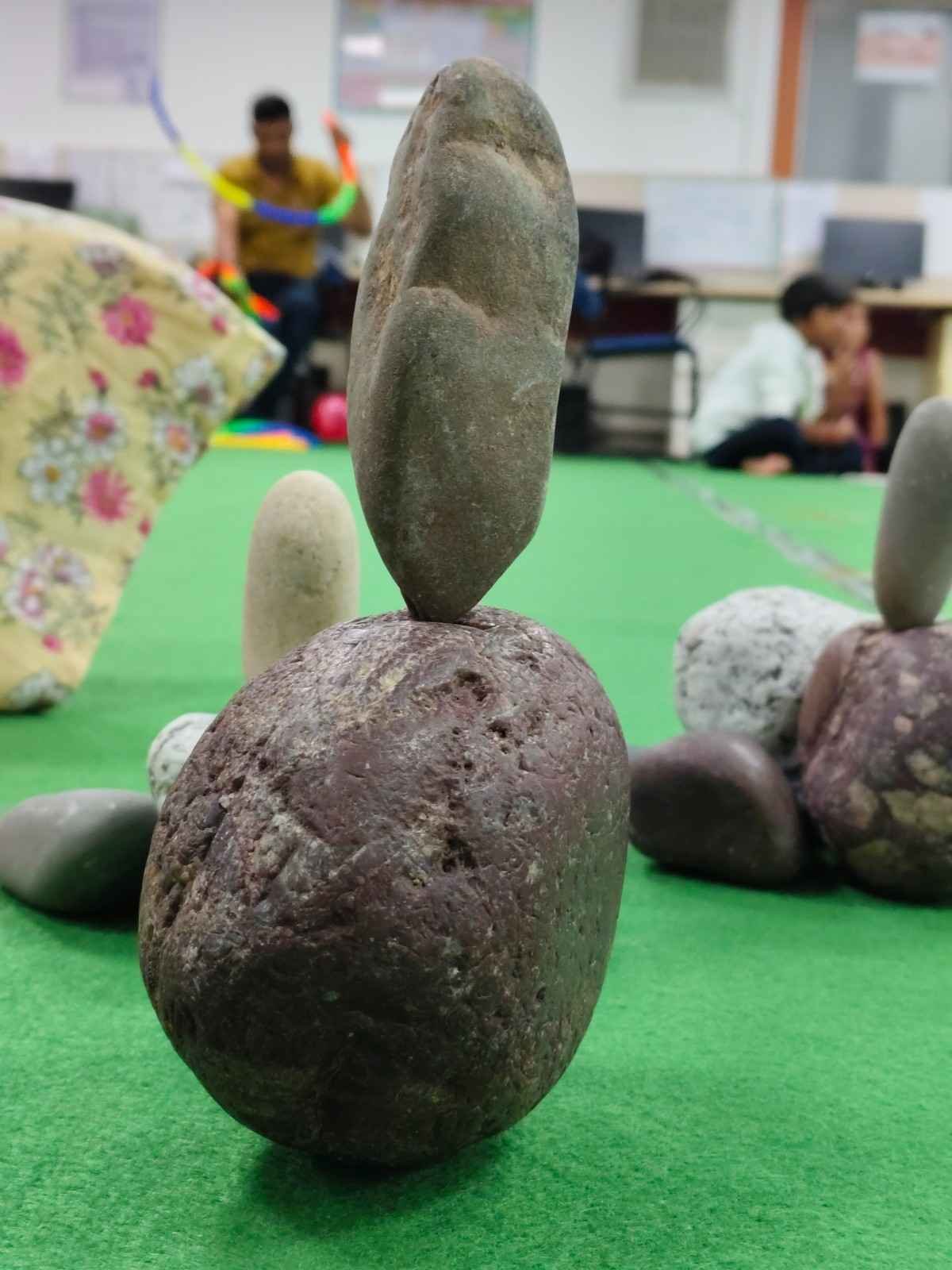
Feel its shape, edges, and curves. Try rotating the rock slowly to sense where it wants to sit.
Find the Balance Point
Gently move the rock side to side until you feel it “lock” into place. That tiny moment of stillness is your balance point.
Move Slowly and Patiently
The slower you move, the faster you find balance, strange but true.
Start Small
Begin with simple two- or three-stone stacks. You’ll improve quickly with practice.
Helpful Tips for Better Rock Balancing
Work With Dry Rocks
Water makes surfaces slippery, making balancing harder.
Use Stones With Texture
Rough surfaces have more grip.
Keep Your Hands Relaxed
Tension makes it harder to sense balance.
Practice in Calm Weather
Wind can make balancing challenging, especially for beginners.
Embrace Impermanence
Your creations won’t last forever, and that’s part of the beauty.
Is Rock Balancing Safe for Nature?
Practiced mindfully, rock balancing is gentle and harmless. But you should always follow nature-friendly guidelines:
- Don’t disturb wildlife habitats
- Avoid removing rocks from rivers or fragile ecosystems
- Leave no permanent marks
- Dismantle your stacks before leaving
- Follow park regulations
Think of yourself as a guest in nature’s art studio.
Benefits of Rock Balancing for Mind and Creativity
People love rock balancing art for many reasons. Here are a few:
Boosts Mental Clarity
Focusing on balance clears your mind of stress.
Encourages Creativity
Each rock becomes part of a natural puzzle.
Improves Patience and Focus
It’s a slow and steady process that builds resilience.
Strengthens Mind, Body Awareness
You become more attuned to subtle movements and sensations.
Final Thoughts, The Art of Stillness
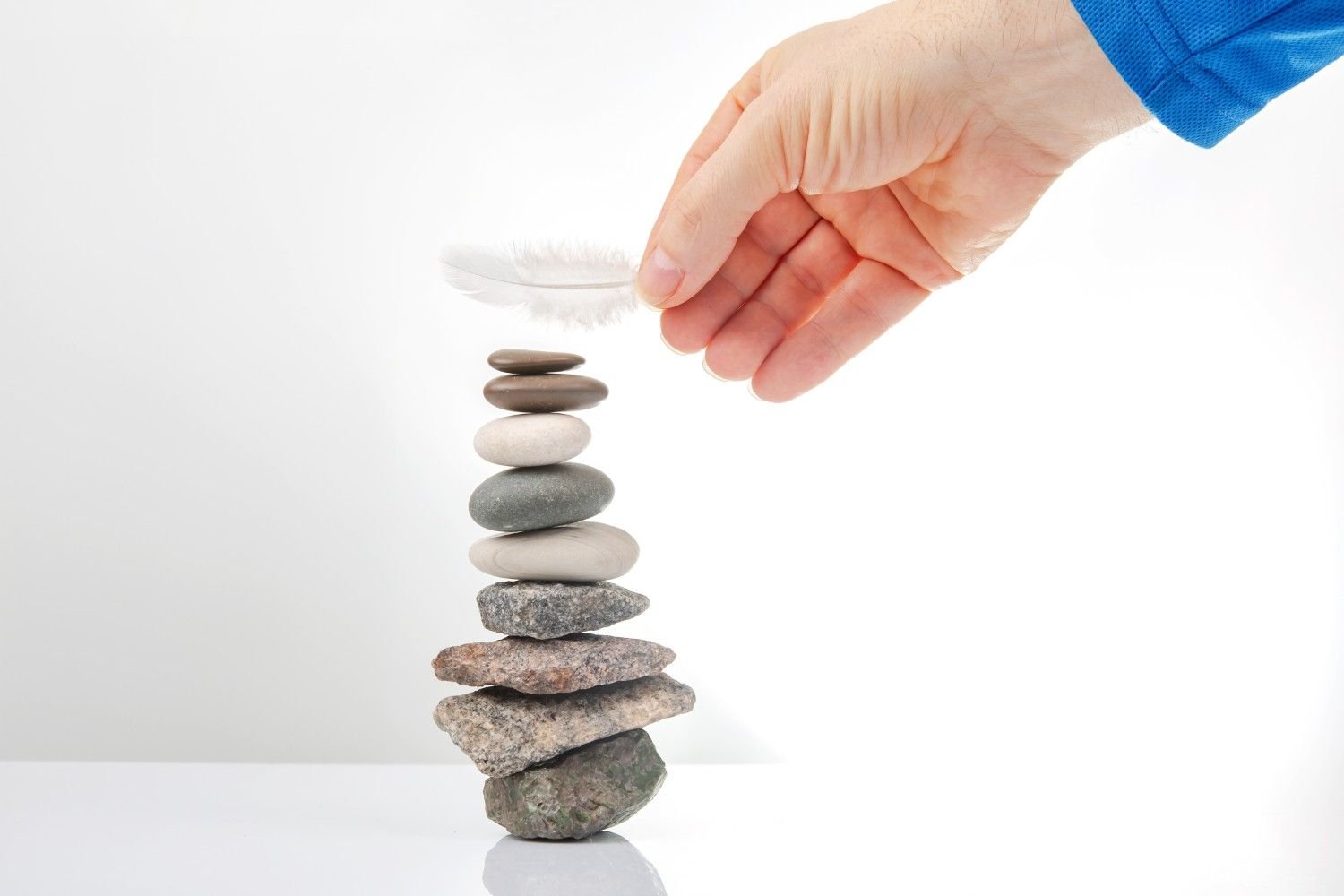
Now that you know what rock balancing really is, you can appreciate why so many people practice it. It’s more than just stacking stones, it’s a calming ritual, an artistic expression, and a way of connecting with nature.
This beginner’s guide to rock balancing is just the start. As you experiment, you’ll develop your own techniques, style, and sense of flow. So head outdoors, pick up a few stones, and let your creativity, and your patience, guide you.