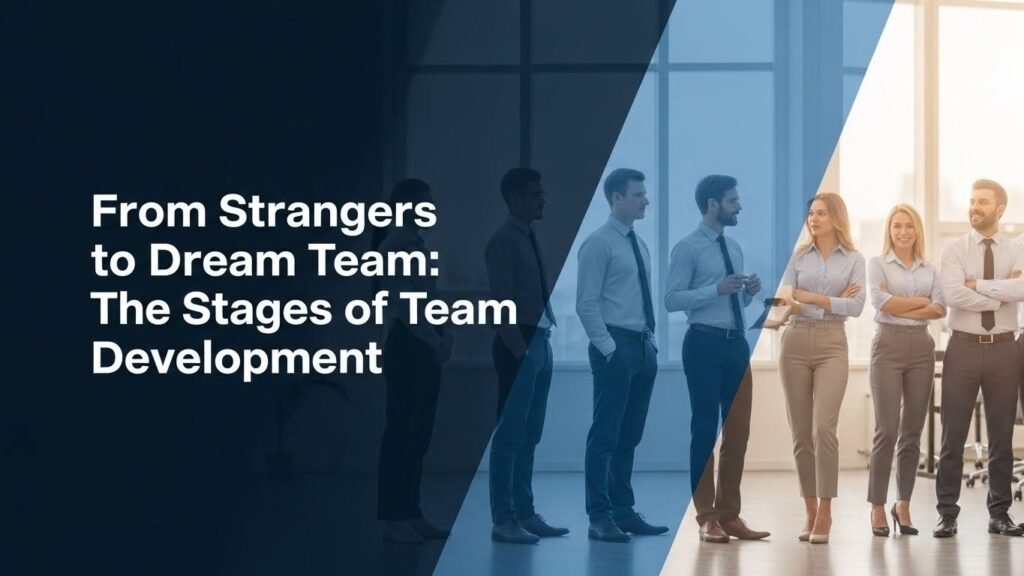
Every exceptional team starts the same way, as a group of strangers awkwardly navigating their first meeting. Yet some teams evolve into powerhouses of innovation and collaboration, while others remain stuck in dysfunction.
The difference? Understanding and navigating the natural progression that all groups experience. In 1965, psychologist Bruce Tuckman introduced a framework that forever changed how we think about group dynamics. His model reveals that team development follows a predictable path, and knowing where your team stands can help you lead them toward peak performance.
Stage 1: Forming – The Polite Beginning
The forming stage is characterized by politeness, uncertainty, and cautious optimism. Team building begins here as members test boundaries while seeking clarity about their roles.
Everyone wants to make a good first impression, which often means avoiding conflict and deferring to authority. During this phase, productivity remains low as people focus on understanding expectations rather than executing tasks.

Key actions for the forming stage:
- Define team goals and individual roles explicitly
- Facilitate introductions that go beyond job titles
- Set clear communication norms and expectations early
Stage 2: Storming – Navigating the Chaos
As comfort grows, so does conflict. The storming stage emerges when team members start expressing different opinions, competing for influence, and challenging established norms.
This phase feels uncomfortable, but it’s actually a sign that your team development is progressing. Personalities clash, working styles collide, and frustrations surface, but teams that navigate this successfully emerge stronger and more cohesive.
Key actions for the storming stage:
- Normalize conflict as part of growth and address tensions directly
- Facilitate open communication and mediate conflicts constructively
- Remind everyone of shared objectives and team values regularly
Stage 3: Norming – Finding Your Rhythm
When teams successfully work through their differences, they enter the norming stage where trust begins to solidify, and communication flows more naturally. The team shifts from “me” to “we” thinking, creating the cohesion necessary for high performance.
Collaborative patterns emerge as the group establishes its own identity, and this is where team culture development truly takes shape.
Key actions for the norming stage:
- Reinforce positive behaviors and celebrate progress consistently
- Implement corporate team building activities to deepen bonds
- Document established norms and encourage peer-to-peer recognition
Stage 4: Performing – Achieving Peak Performance
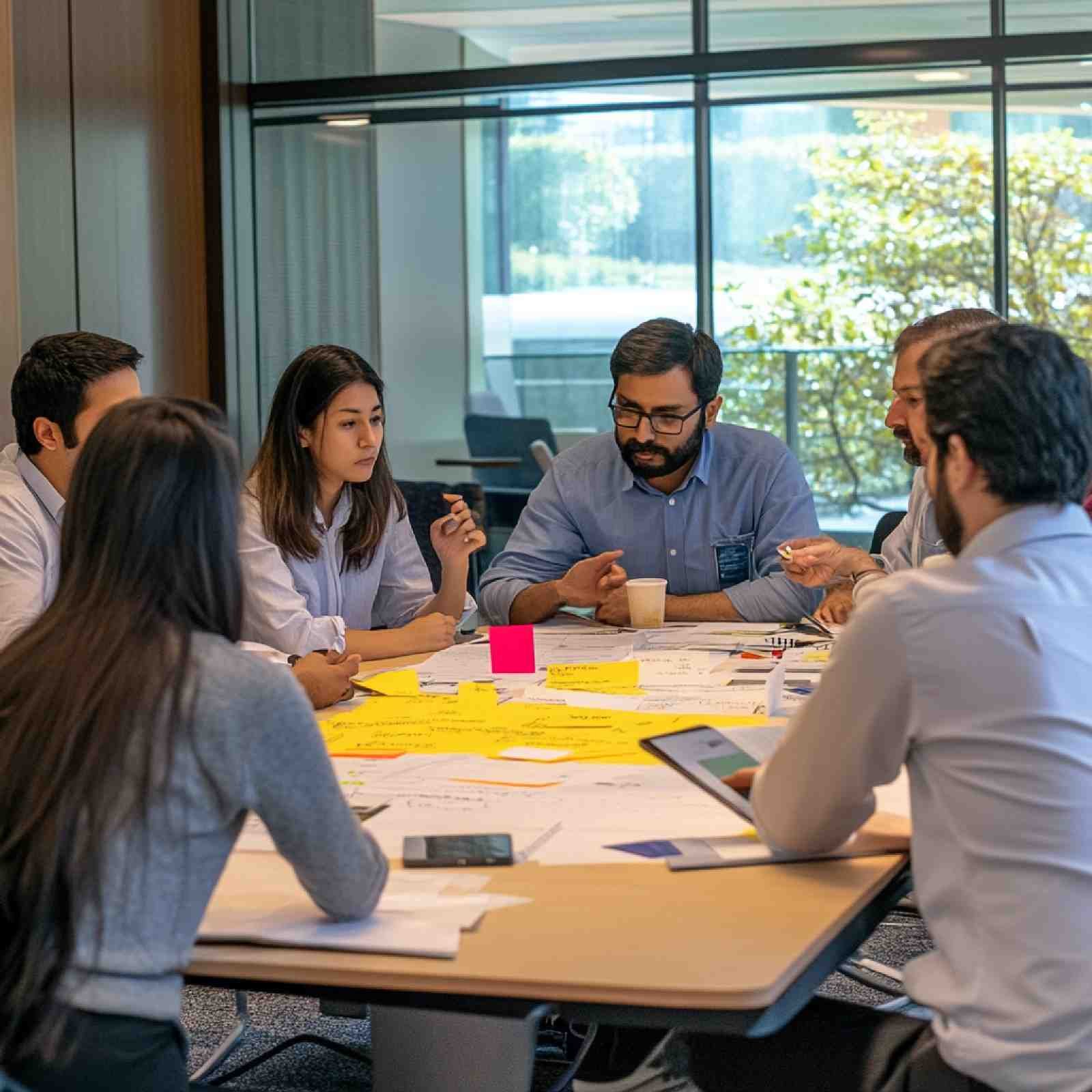
In the performing stage, your team operates like a well-oiled machine where members work interdependently and solve problems efficiently without constant oversight. Trust is high, communication is seamless, and the team delivers results that exceed expectations.
Innovation flourishes because people feel safe taking risks, and this is the dream team you’ve been building toward.
Key actions for the performing stage:
- Step back and empower self-management while removing obstacles
- Provide resources and recognize achievements regularly
- Challenge the team with stretch goals without micromanaging
Stage 5: Adjourning – Ending with Grace
Tuckman later added a fifth stage, recognizing that teams don’t last forever, whether due to project completion, organizational restructuring, or members moving on. The adjourning phase can trigger mixed emotions, especially for high-performing groups that have bonded deeply.
How you handle this transition affects both individual morale and your organization’s reputation.
Key actions for the adjourning stage:
- Acknowledge contributions and celebrate successes together
- Provide proper closure through reflection sessions
- Help members transition smoothly and capture lessons learned
Understanding the Non-Linear Journey
Team development doesn’t always progress smoothly from one stage to the next, as teams often cycle back to earlier stages when new members join, leadership changes, or major organizational shifts occur.
The key is recognizing where your team currently stands and adjusting your leadership approach accordingly, because what works in the forming stage won’t work in performing.
Accelerating Your Team’s Progress
While you can’t skip stages, you can help your team move through them more smoothly through intentional team building and corporate team building initiatives aligned with each stage.
Regular check-ins, transparent communication, and addressing issues immediately all contribute to faster movement through the stages.

Strategies that work across all stages:
- Maintain open and transparent communication always
- Address issues immediately rather than letting them fester
- Celebrate wins and learn from failures together
Building Your Dream Team
Transforming strangers into a cohesive, high-performing unit takes time, patience, and intentional effort, but understanding this team development framework helps you lead with confidence through each phase. Remember that conflict isn’t failure, it’s progress, and discomfort means your team is growing.
The journey from strangers to dream team is challenging, but the destination is worth every difficult conversation, every resolved conflict, and every small win along the way. Invest in your team culture development, and watch as your group transforms into something truly exceptional.