
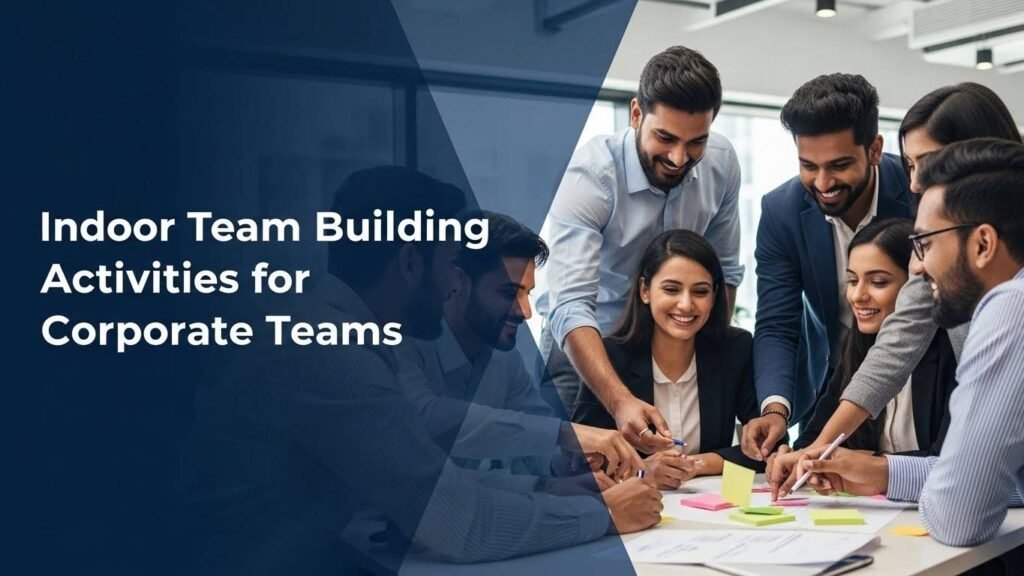
In today’s fast-paced work environment, collaboration and trust are no longer optional; they are essential for success. Organizations are increasingly focusing on team building activities to create stronger connections, improve communication, and foster a positive work culture. While outdoor events have their place, indoor initiatives are often more practical, inclusive, and easier to implement within office settings.
Indoor corporate team building activities allow employees to bond without leaving the workplace, making them ideal for busy teams and structured schedules. When planned thoughtfully, these activities can transform everyday office interactions into meaningful teamwork experiences.
Why Indoor Team Building Matters in the Workplace
Modern offices face challenges such as communication gaps, stress, and disengagement. Indoor activities address these issues by encouraging interaction beyond daily tasks. They help employees feel valued and connected, even in high-pressure environments.
Unlike outdoor programs, indoor sessions are weather-independent and cost-effective. They can be tailored to different team sizes and objectives, making office team building activities suitable for startups, corporate offices, and hybrid workplaces alike.
Most importantly, consistent team building strengthens trust, boosts morale, and supports long-term collaboration.

How Indoor Activities Strengthen Corporate Culture
A strong workplace culture is built through consistent experiences, not one-time events. Indoor initiatives play a vital role in reinforcing this culture because they happen within the everyday work environment.
Corporate culture building activities help align employees with organizational values by encouraging collaboration, respect, and transparency. When teams regularly engage in structured interaction, they develop shared norms that reflect positively in daily work behavior.
Over time, this leads to better trust, stronger relationships, and a workplace where employees feel connected to the organization’s mission.
Popular Indoor Corporate Team Building Activities for the Office
Choosing the right activities depends on team size, time availability, and desired outcomes. Below are some effective options commonly used in offices.
Icebreaker and Communication Games
Simple icebreakers such as two-truths-and-a-lie or quick storytelling sessions help teams relax and open up. These are ideal for new teams or onboarding sessions and set a comfortable tone for collaboration.
Problem-Solving Challenges
Activities like puzzle-solving, escape-room-style challenges, or strategy games encourage critical thinking and teamwork. Employees learn how to approach problems collectively under time constraints.
Creative Collaboration Activities
Art-based tasks, group presentations, or role-playing exercises allow employees to express creativity while working together. These activities promote innovation and mutual understanding.
Skill-Based Workshops
Short workshops focused on communication, leadership, or time management double as learning opportunities. When interactive, they become powerful team building activities that deliver both engagement and professional growth.
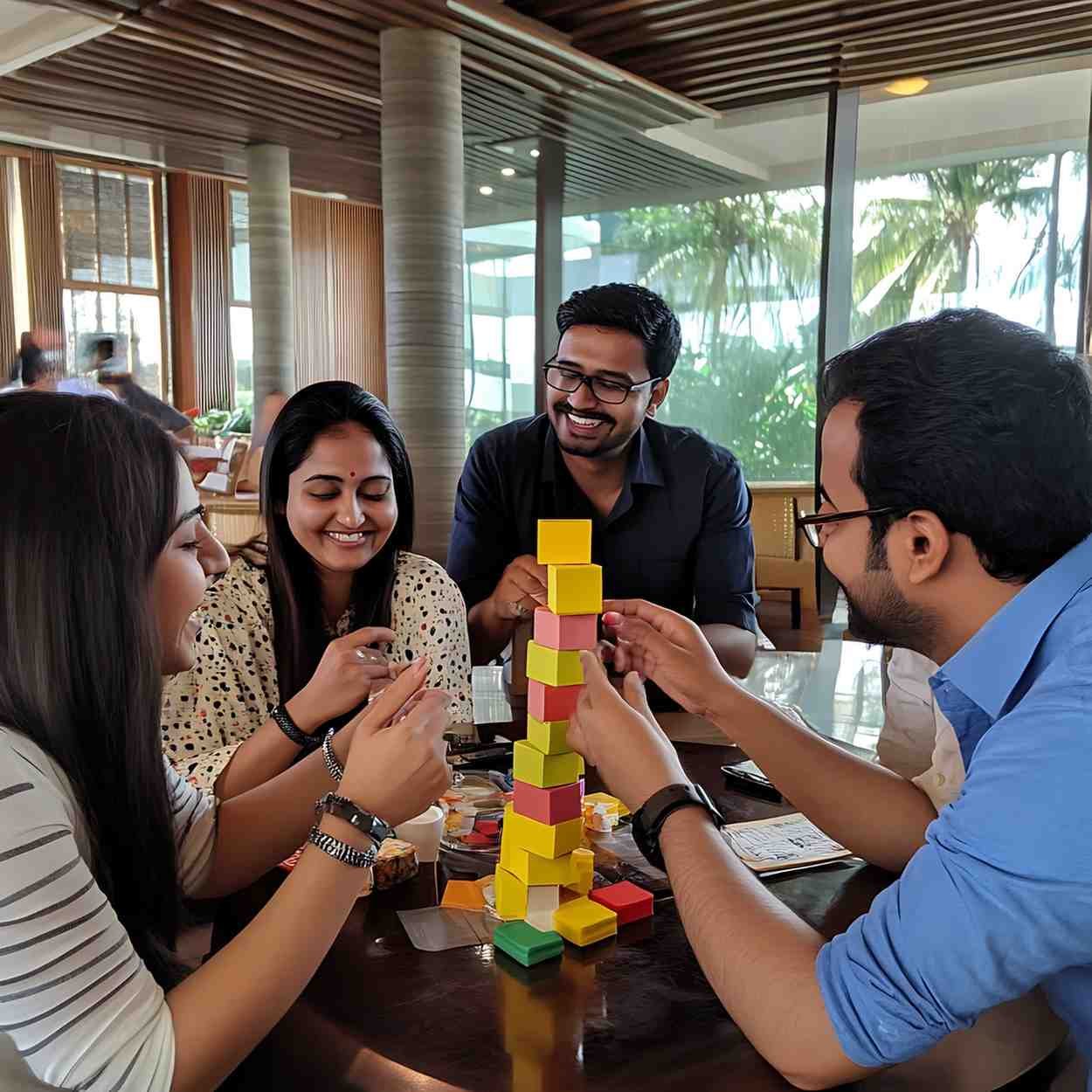
Benefits of Indoor Corporate Team Building Activities
Well-designed indoor initiatives offer more than just short-term fun. They deliver measurable workplace benefits when aligned with organizational goals.
Improved Communication
Structured activities encourage open discussion, active listening, and clearer expression of ideas. This directly improves day-to-day coordination between teams.
Stronger Collaboration
Employees learn to rely on each other’s strengths, leading to better problem-solving and smoother project execution.
Enhanced Employee Engagement
Participating in meaningful activities helps employees feel involved and motivated, reducing burnout and disengagement.
Support for Corporate Culture
Regular engagement through corporate culture building activities reinforces shared values, trust, and a sense of belonging across departments.
Planning Effective Office Team Building Activities
To maximize impact, indoor initiatives must be thoughtfully planned rather than randomly executed.
Understand Your Team’s Needs
Identify whether your goal is to improve communication, reduce stress, or encourage collaboration. This clarity helps in choosing the right activity format.
Keep Activities Inclusive
Ensure that all employees can participate comfortably, regardless of role, personality, or physical ability.
Balance Fun and Purpose
The most successful office team building activities combine enjoyment with meaningful outcomes. Avoid activities that feel forced or disconnected from work culture.
Measure Impact
Gather feedback after sessions to understand what worked and what can be improved. This helps refine future initiatives.
Indoor Team Building for Hybrid and Modern Offices
With remote and hybrid work becoming common, indoor sessions have evolved to include both in-person and virtual participation. Offices now integrate digital tools, interactive platforms, and hybrid formats to ensure everyone feels included.
These modern adaptations ensure that indoor corporate team building activities remain relevant, scalable, and effective in changing workplace structures.
Common Mistakes to Avoid
Even well-intentioned initiatives can fail if not handled carefully.
- Overloading schedules with long sessions
- Repeating the same activities too often
- Ignoring employee feedback
- Focusing only on fun without purpose
Avoiding these mistakes ensures your efforts deliver long-term value rather than short-term engagement.

Conclusion
Investing in team building activities within the office environment is one of the most effective ways to improve collaboration, engagement, and workplace morale. By implementing well-planned indoor corporate team building activities, organizations can strengthen teamwork without disrupting daily operations.
When aligned with clear goals, inclusive planning, and consistent execution, office team building activities also play a crucial role in reinforcing trust and supporting sustainable corporate culture building activities. Over time, these efforts create a healthier, more connected, and more productive workplace.