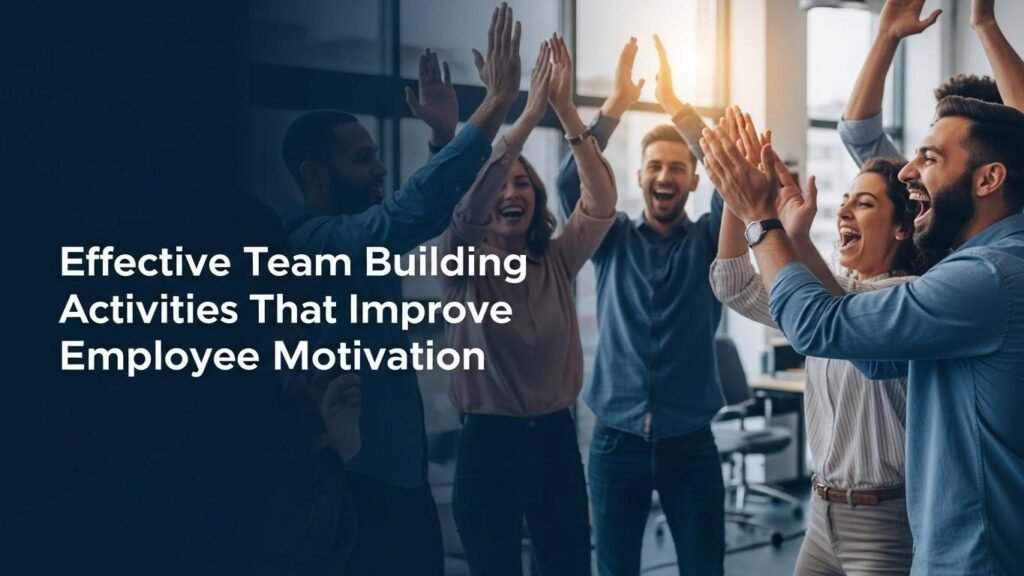
Employee morale is not built through speeches, posters, or yearly appraisals. It grows when people feel connected, valued, and genuinely engaged at work. This is where well-planned team building activities play a powerful role.
In today’s fast-paced workplaces, companies that invest in meaningful collaboration experiences see stronger trust, better communication, and higher retention. When aligned with your broader corporate team building strategy, these activities go beyond fun; they support culture, productivity, and long-term performance.
This guide explores practical, morale-boosting activities that work across teams, roles, and industries, while naturally supporting internal engagement goals.
Why Companies Look for Team Building Activities
Intent Type: Informational with commercial relevance

People searching for this topic want:
- Proven ways to improve morale
- Realistic ideas they can implement
- Insight into how activities connect with business goals
This article is structured to educate first, while naturally guiding readers toward structured corporate team building solutions when they’re ready.
Why Employee Morale Matters More Than Ever
Low morale rarely shows up overnight. It appears gradually, with missed deadlines, poor communication, disengaged meetings, and rising attrition.
Strong morale leads to:
- Higher job satisfaction
- Better collaboration across departments
- Improved accountability and trust
- Reduced burnout and turnover
Well-designed team building activities create safe environments where employees connect as humans, not just job titles.
What Makes Team Building Activities Actually Effective?
Not every activity boosts morale. Some feel forced or disconnected from daily work. The most effective activities share a few common traits:
- Purpose-driven: Clear outcomes beyond entertainment
- Inclusive: Suitable for different personalities and roles
- Collaborative: Encourages teamwork, not competition alone
- Relevant: Reflects real workplace challenges
When these principles guide your approach, employee engagement activities become meaningful instead of forgettable.
Corporate Team Building Activities That Deliver Real Results
1. Problem-Solving Challenges
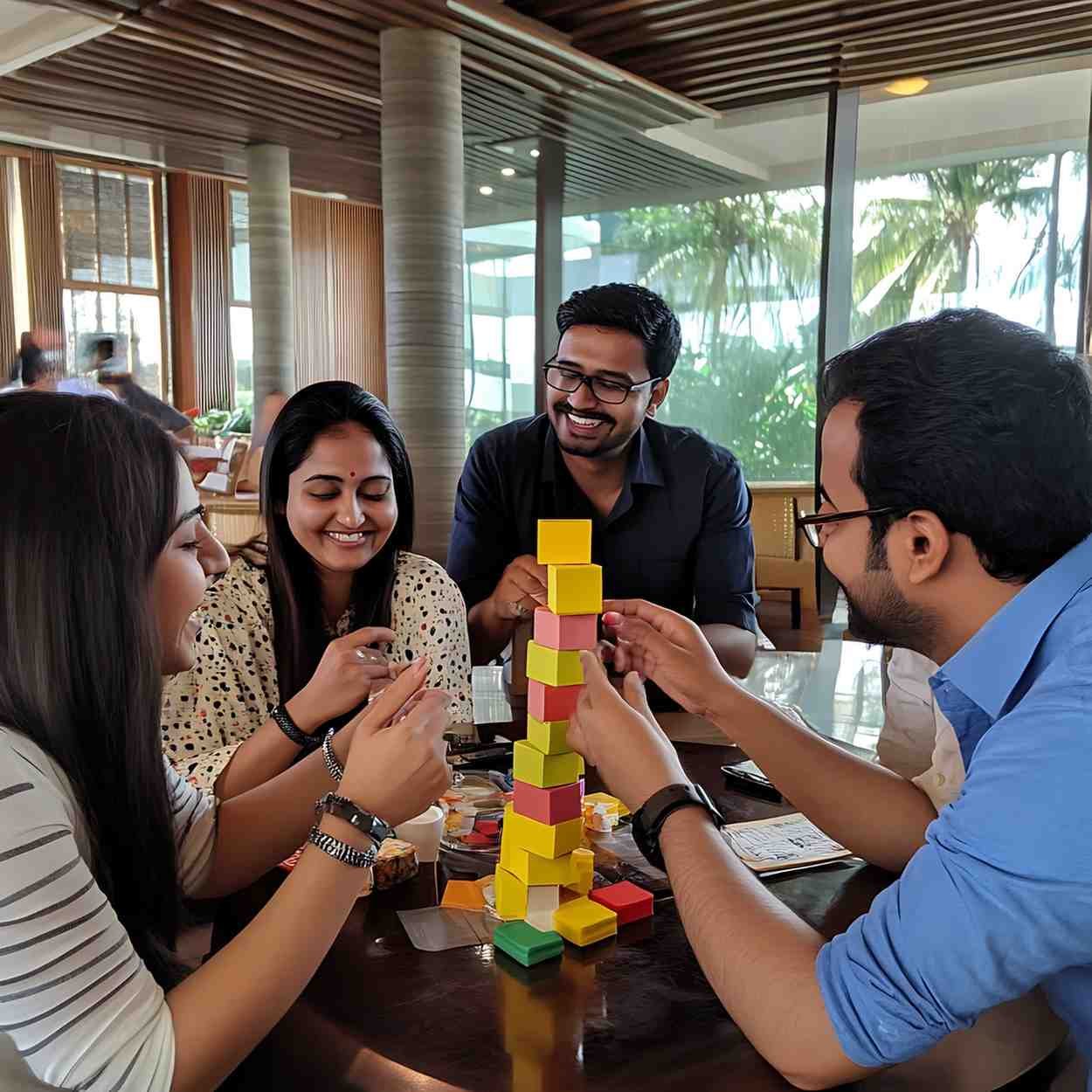
These activities place teams in realistic scenarios where collaboration is essential.
Examples include:
- Business simulations
- Escape-room style challenges
- Strategy-based group tasks
They strengthen decision-making, communication, and trust, skills directly transferable to the workplace.
2. Cross-Department Collaboration Workshops
Silos damage morale. Bringing different teams together helps employees understand how their work impacts others.
Benefits:
- Reduces friction between departments
- Builds empathy and shared accountability
- Encourages fresh perspectives
This approach works especially well within long-term corporate team building programs.
3. Outdoor Team Bonding Experiences
Outdoor environments naturally reduce stress and hierarchy.
Popular formats:
- Adventure-based activities
- Group challenges in natural settings
- Light physical tasks focused on teamwork
These experiences refresh energy levels and help teams reconnect outside office pressure.
4. Skill-Based Learning Sessions
Learning together builds confidence and mutual respect.
Examples:
- Communication workshops
- Leadership micro-sessions
- Creative problem-solving labs
These employee engagement activities show that development is valued, not just output.
5. Recognition-Driven Group Activities
Recognition is a powerful morale booster when done authentically.
Ideas include:
- Peer appreciation circles
- Team milestone celebrations
- Shared reflection sessions
When recognition becomes part of team bonding activities, employees feel seen and valued.
6. Creative Collaboration Sessions
Creativity encourages openness and reduces fear of failure.
Activities may involve:
- Design thinking exercises
- Group storytelling
- Innovation sprints
These sessions unlock new ideas while strengthening psychological safety.
7. Purpose-Led Social Impact Activities
Teams bond deeply when working toward something bigger than themselves.
Examples:
- Community service initiatives
- Sustainability-focused projects
- Charity collaboration days
Such experiences build pride and shared purpose, key drivers of morale.
How Team Building Supports Long-Term Engagement
Morale boosts are temporary without consistency. Sustainable engagement comes from integrating activities into a structured corporate team building approach rather than treating them as one-off events.
Long-term impact includes:
- Stronger team identity
- Improved leadership communication
- Higher resilience during change
When activities align with company values and goals, they become part of the culture.
Common Mistakes to Avoid
Even well-intended efforts can backfire if poorly planned.
Avoid:
- Overloading schedules with forced participation
- Ignoring introverted team members
- Focusing only on fun without learning outcomes
- Repeating the same formats repeatedly
Thoughtful planning ensures team building activities feel supportive, not disruptive.
Measuring the Impact on Employee Morale
You don’t need complex tools to measure success.
Look for:
- Increased participation and energy
- Better collaboration in daily work
- Reduced internal conflicts
- Positive employee feedback
Over time, morale improvements reflect in performance and retention metrics.
Choosing the Right Approach for Your Organization
Every company is different. The most effective team bonding activities consider:
- Team size and structure
- Work culture and pace
- Business objectives
- Employee preferences
Organizations that partner with experienced corporate team building specialists often see better alignment and outcomes because activities are customized, not generic.
Conclusion: Building Morale That Lasts
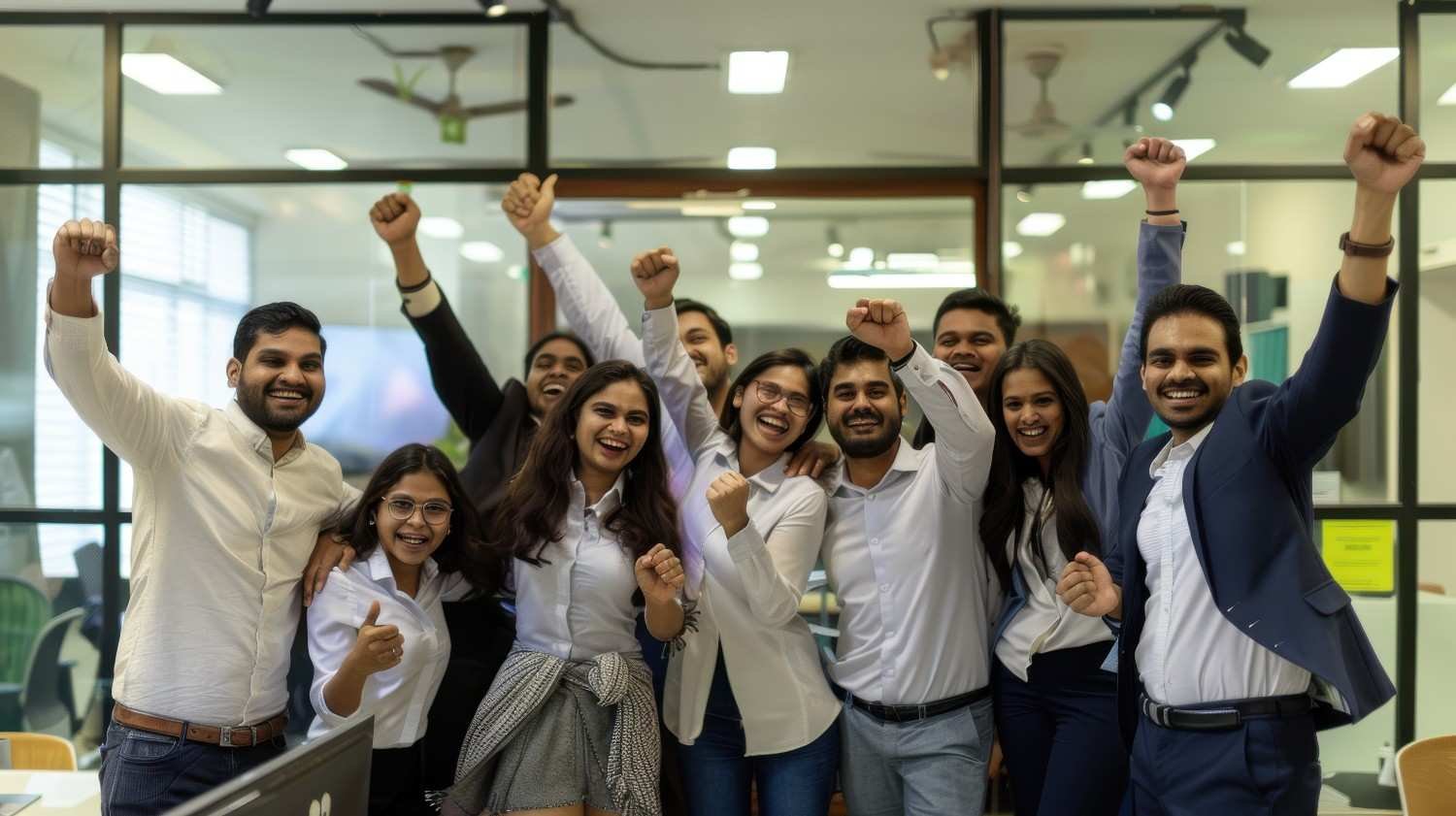
Employee morale doesn’t improve through shortcuts. It grows when people feel connected, trusted, and supported. Thoughtfully designed team building activities create those moments, strengthening relationships while reinforcing business values.
When these experiences are part of a larger corporate team building strategy, they move beyond engagement into real cultural impact.
If your goal is stronger teams, higher morale, and long-term engagement, investing in the right structure and approach makes all the difference.