Strong collaboration doesn’t happen by accident. It’s built through everyday interactions, shared experiences, and intentional efforts to help people work better together. In today’s hybrid and fast-moving work environments, teams often struggle with communication gaps, silos, and a lack of alignment. This is where the right team activities can make a real difference.
Well-designed collaborative activities help employees understand each other beyond job titles. They encourage open communication, mutual respect, and problem-solving, all of which directly impact productivity and workplace culture. When aligned with a thoughtful corporate team-building approach, these activities become more than just “fun breaks”; they turn into strategic tools for long-term performance.
This article explores practical team collaboration activities that genuinely improve how people work together, why they matter, and how organizations can implement them effectively.
Understanding the Real Purpose of Team Activities
Many organizations make the mistake of treating workplace collaboration activities as occasional events with no deeper goal. True collaboration-focused activities are designed to solve specific problems: miscommunication, low trust, disengagement, or lack of ownership.
Effective team activities are intentional. They create shared experiences that encourage employees to listen, contribute, and rely on one another. Over time, this builds psychological safety, a key factor in high-performing teams. When people feel safe to speak up and experiment, collaboration becomes natural rather than forced.
From a leadership perspective, these activities also provide insight into team dynamics. Managers can observe how individuals communicate, who steps into leadership roles, and where friction might exist.
How Collaboration Activities Strengthen Workplace Relationships
Collaboration improves when people genuinely understand each other’s working styles, strengths, and challenges. Structured workplace collaboration activities help break down assumptions and encourage empathy.

Some of the most impactful benefits include:
- Improved communication across departments and roles
- Stronger trust between team members
- Faster conflict resolution through shared understanding
- Greater alignment with team and organizational goals
These outcomes don’t come from one-off exercises. They emerge when activities are chosen thoughtfully and integrated into a broader culture of collaboration, often supported by professional corporate team-building initiatives that align experiences with business objectives.
Team Collaboration Activities That Deliver Real Results
Not every activity leads to meaningful collaboration. The most effective ones encourage participation, problem-solving, and reflection rather than competition alone.
1. Problem-Solving Challenges
Activities that require teams to solve a shared problem encourage communication and collective thinking. These challenges simulate real workplace situations where collaboration is essential.
For example, teams might be given a hypothetical business scenario or operational challenge and asked to develop a solution together. The focus should be on how the team communicates and collaborates, not just the final answer.
These exercises are particularly useful for improving cross-functional collaboration, as they push individuals to consider perspectives outside their usual roles.
2. Role-Reversal Exercises
Role-reversal activities help employees understand the responsibilities and pressures of their colleagues. When people step into someone else’s shoes, even briefly, empathy increases, and misunderstandings decrease.
This type of workplace collaboration activity works well in teams where friction exists between departments, such as sales and operations or marketing and product teams. It encourages appreciation for different workflows and decision-making constraints.
Why Informal Team Activities Matter Just as Much
Not all collaboration-building needs to feel structured or formal. Informal team activities play a critical role in strengthening relationships and reducing communication barriers.
Casual interactions, whether through shared lunches, virtual coffee chats, or interest-based groups, help people connect on a human level. These moments create familiarity, which makes collaboration at work smoother and more natural.
When employees feel personally connected, they’re more likely to ask for help, share ideas, and give constructive feedback. Over time, this leads to healthier team dynamics and higher engagement.
Aligning Team Activities With Business Goals
One common concern leaders have is whether team activities actually contribute to business outcomes. The answer depends on alignment. Random activities may boost morale temporarily, but goal-driven collaboration activities create a lasting impact.
Effective alignment involves:
- Identifying specific collaboration challenges within teams
- Selecting activities that address those challenges directly
- Reflecting on outcomes and applying insights to daily work
This is where structured corporate team-building programs add value. They are designed not just to engage employees, but to connect experiences back to real workplace behaviors and performance metrics.
Measuring the Impact of Workplace Collaboration Activities
To ensure activities are delivering value, organizations should pay attention to measurable outcomes rather than relying on assumptions. Collaboration improvements often show up in subtle but meaningful ways.

Key indicators to observe include:
- Increased participation in meetings and discussions
- Faster decision-making and reduced rework
- Improved cross-team communication
- Higher employee engagement and satisfaction scores
These signals suggest that team collaboration activities are influencing daily behavior, which is the true goal.
Common Mistakes to Avoid When Planning Team Activities
Even well-intentioned initiatives can fail if not executed thoughtfully. Some common pitfalls include overloading teams with activities, forcing participation, or choosing exercises that don’t suit the team’s culture.
Another frequent mistake is treating collaboration activities as isolated events. Without follow-up or reinforcement, the impact fades quickly. Sustainable collaboration requires consistency and leadership support.
Organizations that succeed often integrate activities into a broader development strategy, using them as touchpoints rather than standalone solutions.
Creating a Culture Where Collaboration Thrives
Activities alone don’t create collaboration; culture does. Team activities are most effective when they reinforce an environment where openness, respect, and shared responsibility are already valued.
Leaders play a crucial role here. When managers actively participate, encourage reflection, and model collaborative behavior, activities feel authentic rather than performative.
Over time, consistent efforts supported by intentional corporate team-building strategies help embed collaboration into the organization’s DNA.
Conclusion: Making Team Activities Work for the Long Term
The right team activities can significantly improve how people work together, but only when they’re chosen with purpose. Meaningful collaboration grows from experiences that build trust, encourage communication, and align with real business needs.
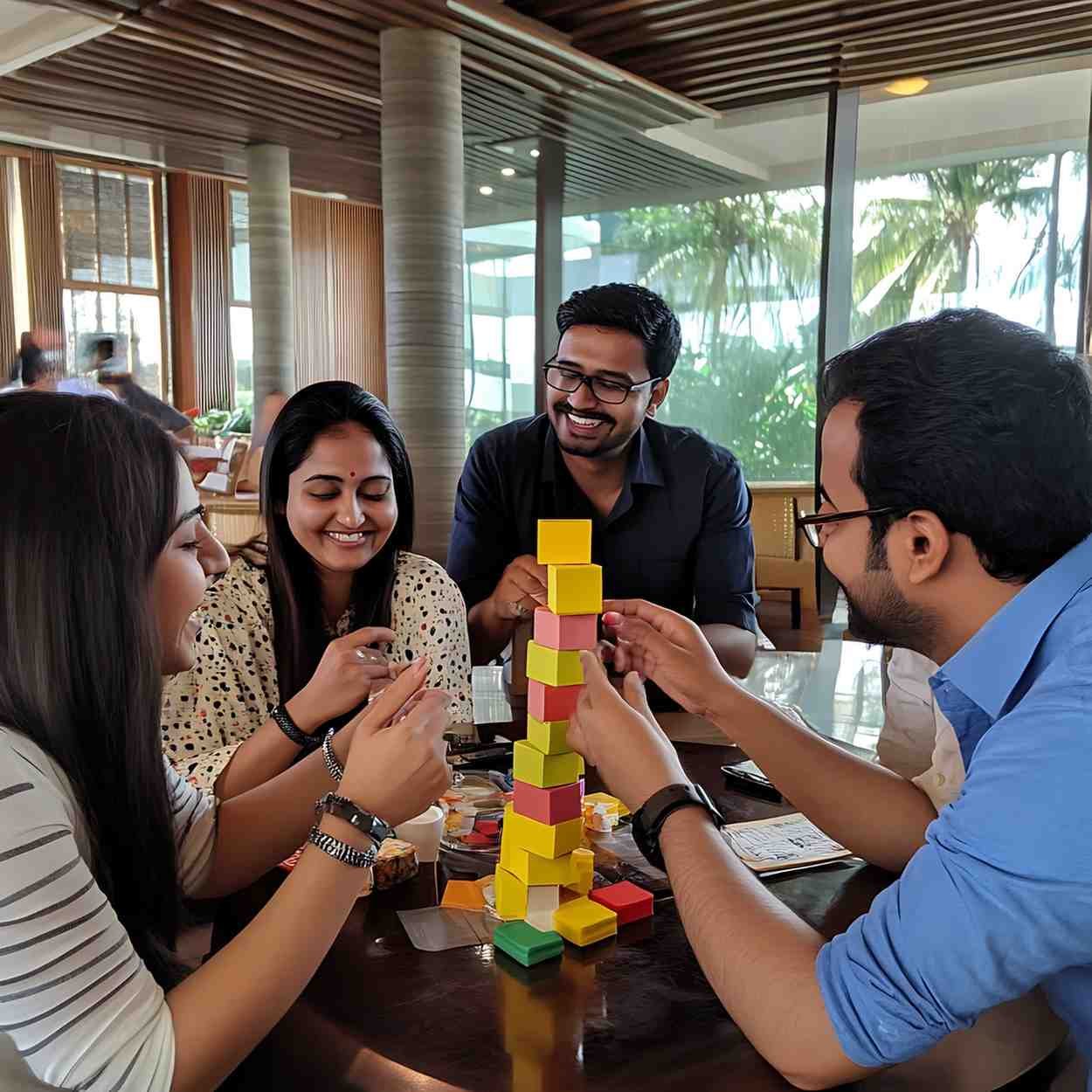
Whether you’re addressing silos, onboarding new employees, or strengthening leadership teams, thoughtful workplace collaboration activities can create lasting change. When supported by a structured approach to corporate team building, these efforts move beyond short-term engagement and contribute to a stronger, more connected organization.
If your goal is to build teams that communicate better, solve problems faster, and work with genuine alignment, investing in collaboration-focused activities is not optional; it’s strategic.