
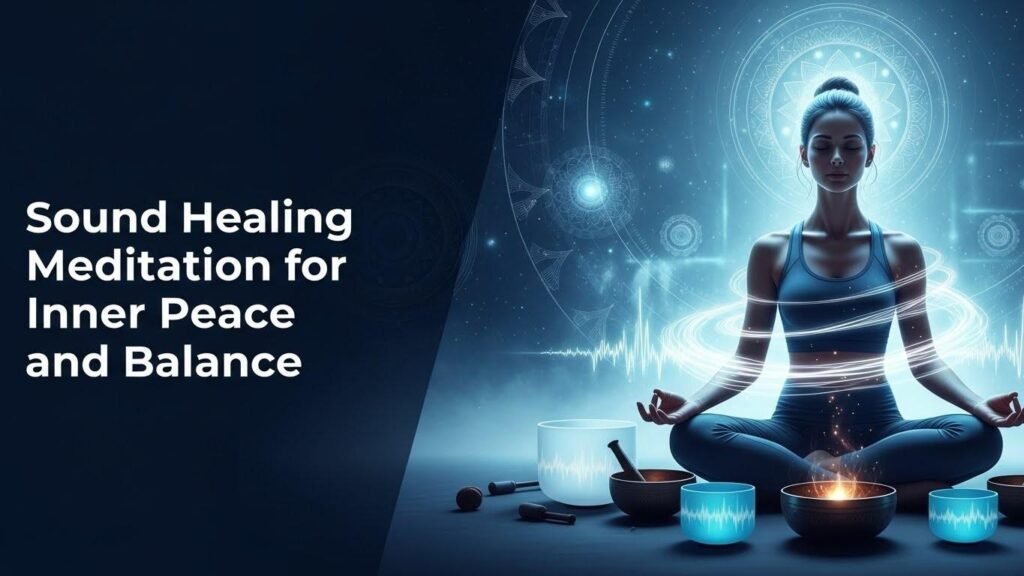
Sound healing offers a gentle response in a world that moves at a constant rush, where moments of true calm often feel hard to find. Constant noise, digital overload, and daily stress leave the mind restless and the body tense. This is where this gentle practice emerges as a powerful approach, offering a mindful path to inner peace through sound, vibration, and deep awareness.
Rooted in ancient traditions and now embraced by modern wellness practices, this approach encourages us to slow down, listen deeply, and reconnect with ourselves in a meaningful way.
Understanding Sound Healing and How It Works
Sound healing is a holistic method that uses sound vibrations to promote relaxation, balance, and emotional well-being. Through instruments such as singing bowls, gongs, tuning forks, or even the human voice, this therapy works by creating frequencies that interact naturally with the body and mind.
At its core, sound healing meditation helps quiet mental chatter and guides the nervous system into a relaxed state. Instead of forcing stillness, these vibrations gently lead awareness inward, making mindfulness meditation more accessible for both beginners and experienced practitioners.

How Sound Healing Therapy Creates Balance and Calm
This therapeutic approach works on the principle that everything in the universe, including the human body, operates at a vibrational level. Stress, emotional tension, and mental fatigue can disrupt this natural rhythm. Healing sound frequencies help restore balance by guiding the body back into a state of harmony.
During a session, sound waves interact with brainwaves, often shifting them from an active state to a deeply relaxed one. This process supports natural healing responses, reduces tension, and creates a sense of grounding and safety within the body.
The Connection Between Sound and Mindfulness
Mindfulness meditation focuses on staying aware of the present moment with openness and acceptance. Sound anchors attention naturally, making it an effective tool for mindful awareness. When attention is placed on vibration and tone, awareness shifts away from stress and distractions and settles into the present moment.
This form of mindful listening allows the brain to slow down, encouraging a state of calm alertness. Over time, this practice strengthens focus, emotional stability, and inner clarity, all of which are essential elements of lasting inner peace.
Sound Healing Meditation for Stress and Emotional Balance
Modern life places constant demands on our attention, often leaving little space to process emotions. Sound healing meditation creates a safe space where emotions can surface and release naturally.
The rhythmic flow of sound acts as a guide, allowing the body to let go of stored tension. This makes the practice especially helpful for those dealing with stress, anxiety, or emotional fatigue. Over time, calming sound-based meditation techniques help cultivate emotional resilience and a steady sense of calm.
Sound Healing vs Traditional Meditation
Many people struggle with traditional meditation because it requires sustained focus and mental discipline. This approach offers an alternative. Instead of focusing on breath or silence, attention is placed on sound.
This makes meditation with sound more accessible, especially for beginners. The auditory focus reduces mental wandering and helps the mind settle more easily. Both approaches support mindfulness, but this method often feels more intuitive and soothing.

Integrating Sound Healing Into Daily Life
You don’t need a formal session to experience the benefits of sound-based practices. Simple daily routines can bring moments of calm into your day. Listening to calming frequencies, practicing mindful listening, or ending the day with a short meditation can make a noticeable difference.
Even a few minutes of focused listening can help reset the mind, release tension, and restore emotional balance. Over time, these small moments accumulate, supporting a more peaceful and grounded lifestyle.
Sound Healing as a Holistic Healing Practice
This practice is not just about relaxation; it is part of a broader approach to holistic healing practices. Addressing the connection between mind and body, it supports overall well-being rather than focusing only on symptoms.
As interest in mindfulness through sound continues to grow, this method is increasingly used alongside yoga, meditation, and wellness therapies. Its gentle, non-invasive nature makes it suitable for people of all ages seeking balance and inner peace.
Benefits of Sound Healing for Inner Peace
The benefits of sound healing go beyond relaxation. When practiced regularly, it can support both emotional and mental well-being in meaningful ways.
One of the most noticeable effects is stress relief through sound. Gentle vibrations calm the nervous system, easing anxiety and emotional overload. Many people also experience improved sleep, enhanced mental clarity, and a deeper sense of emotional balance.
This approach also supports self-awareness. As the mind becomes quieter, it becomes easier to observe thoughts and emotions without reacting to them, fostering a more compassionate relationship with oneself.

A Gentle Path Toward Inner Peace
In a world filled with noise and constant stimulation, this mindful practice offers a return to simplicity. By tuning into sound, we reconnect with the present moment and with ourselves. This path to inner peace does not require effort or force, only openness and listening.
Whether practiced through guided therapy sessions or simple daily rituals, this approach invites calm, clarity, and balance into everyday life. Over time, it becomes more than a technique; it becomes a way of being.