
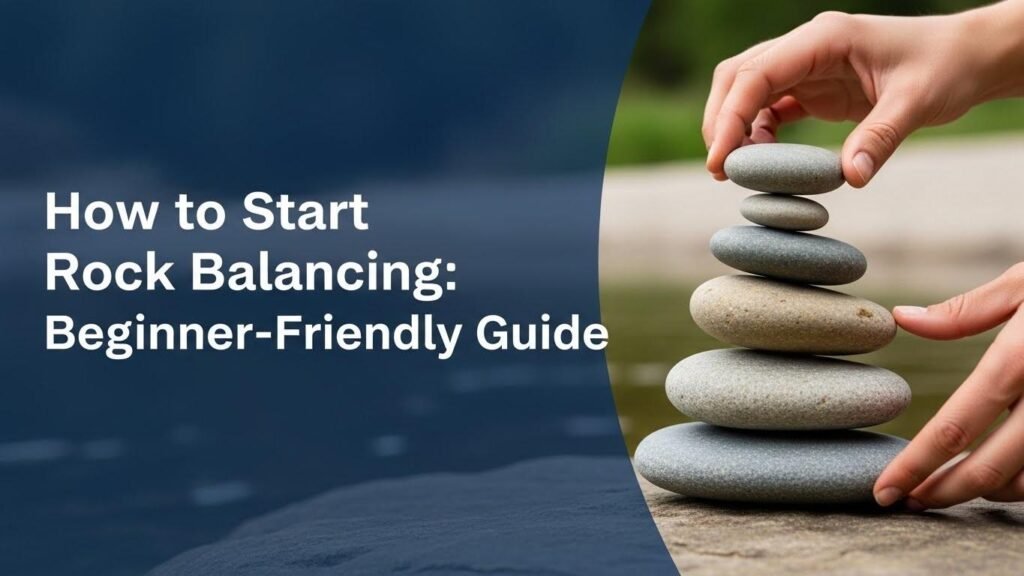
Rock balancing for beginners starts with understanding how stones naturally rest, align, and stabilize using gravity alone. For beginners, the key is to begin with simple formations before moving to complex structures. Start by choosing a calm outdoor spot, preferably with plenty of stones, such as riverbanks, hiking trails, or beaches. Select flat and stable rocks for your base, then gradually use smaller or uniquely shaped stones as you build upward. The goal is to develop a sense of touch, patience, and awareness of each rock’s center of gravity.
Once your foundation is solid, experiment with basic techniques like the three-point balance, stacking, and counterbalancing. Move slowly, let the stone settle into place naturally, and avoid forcing shapes that don’t feel balanced. As you practice, your ability to sense micro-movements and weight shifts will improve, allowing you to create taller and more artistic formations. With time, rock balancing becomes not just a hobby, but a calming, meditative practice that enhances focus, patience, and creativity.
Understanding the Mindset Behind Rock Balancing
Rock balancing is the art of arranging stones on top of one another without glue, wires, or support tools. Everything relies on gravity, friction, and your sense of touch. For beginners, it might seem challenging at first, but with the right approach and consistent practice, you can create beautiful structures that appear almost magical.
This growing hobby has become popular among nature lovers, hikers, photographers, and mindfulness practitioners. Learning rock balancing for beginners not only helps build creativity but also strengthens patience and concentration.
Why Try Rock Balancing as a Beginner?
1. Stress Relief and Mindfulness
One of the biggest reasons beginners start rock balancing is the calming effect. Focusing on the weight and texture of stones encourages you to stay present in the moment.
2. Boosts Creativity
Rock balancing pushes you to view natural shapes differently. You begin to experiment with angles, textures, and unique formations.
3. Zero Investment Hobby
You don’t need expensive tools or equipment. All you need are rocks, time, and the right rock balancing techniques.
4. Connect With Nature
It is a gentle way to spend time outdoors, observe natural patterns, and learn patience while working with natural elements.
Essential Rock Balancing Techniques for Beginners
Mastering rock balancing for beginners starts with understanding the basics. Below are simple but powerful rock balancing techniques to help you get started.
1. The Three-Point Balance
This is the foundation of nearly all stone balancing. Every rock has three stable points where it naturally rests.
How to practice:
- Hold the stone with both hands.
- Gently rotate it until you find its three natural resting points.
- Place it on a flat rock and check its stability.
This technique improves your feel for weight distribution, which is important for all stone balancing tips.
2. Counterbalance Technique
This technique uses one stone’s weight to support another.
Steps:
- Start with a stable base rock.
- Use a large stone with a flat or slightly curved surface.
- Place a smaller stone in a position where its weight helps stabilize the larger one.
This method is perfect for beginners experimenting with more complex structures.
3. Stacking Technique
The stacking method is ideal for learning rock balancing for beginners because it’s simple and visually satisfying.
How to do it:
- Choose stones with flat surfaces.
- Begin with the heaviest and largest stone as your base.
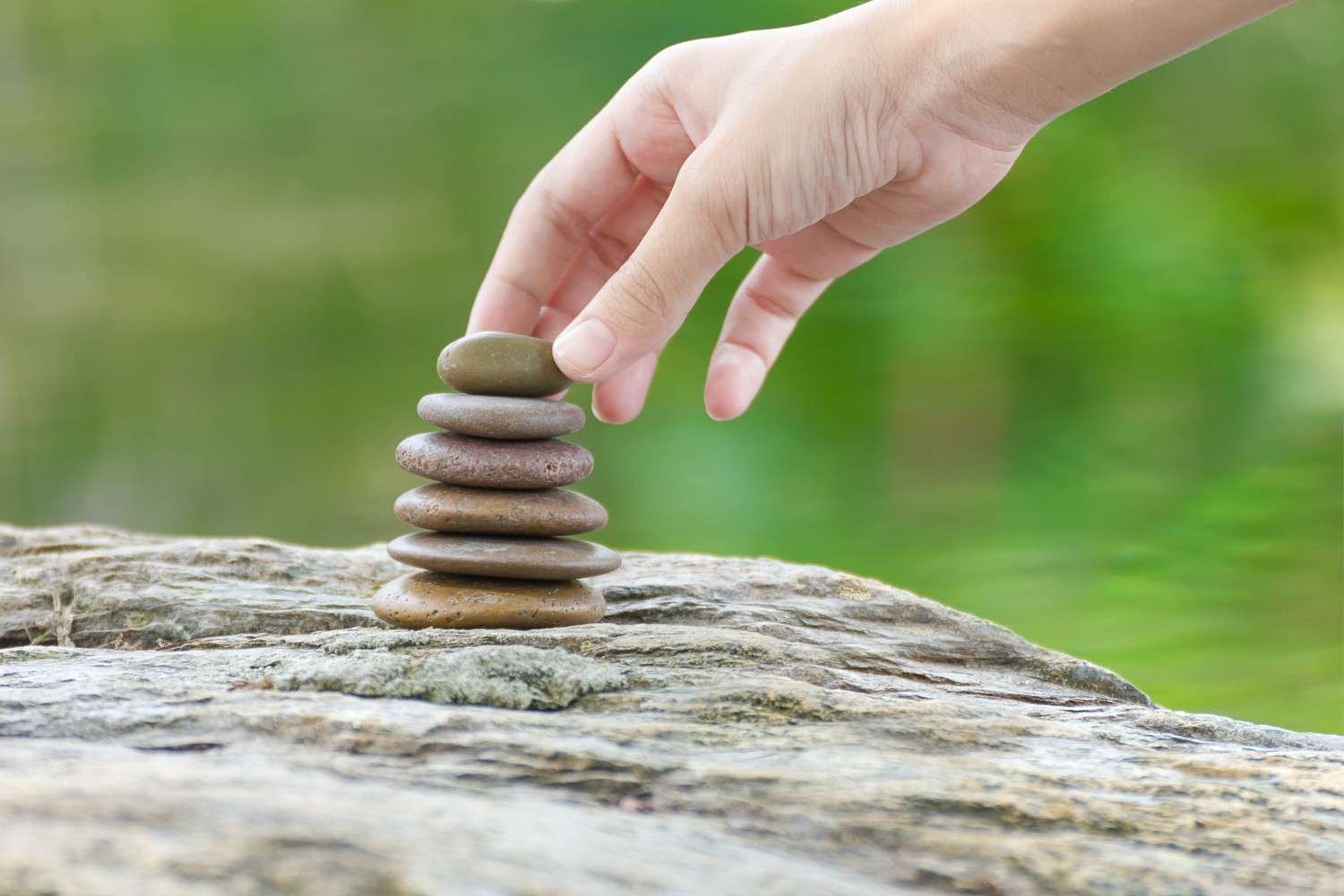
- Gradually stack lighter stones on top.
- Ensure each stone is balanced before placing the next one.
This technique helps build confidence while practicing balancing skills.
4. Vertical Alignment
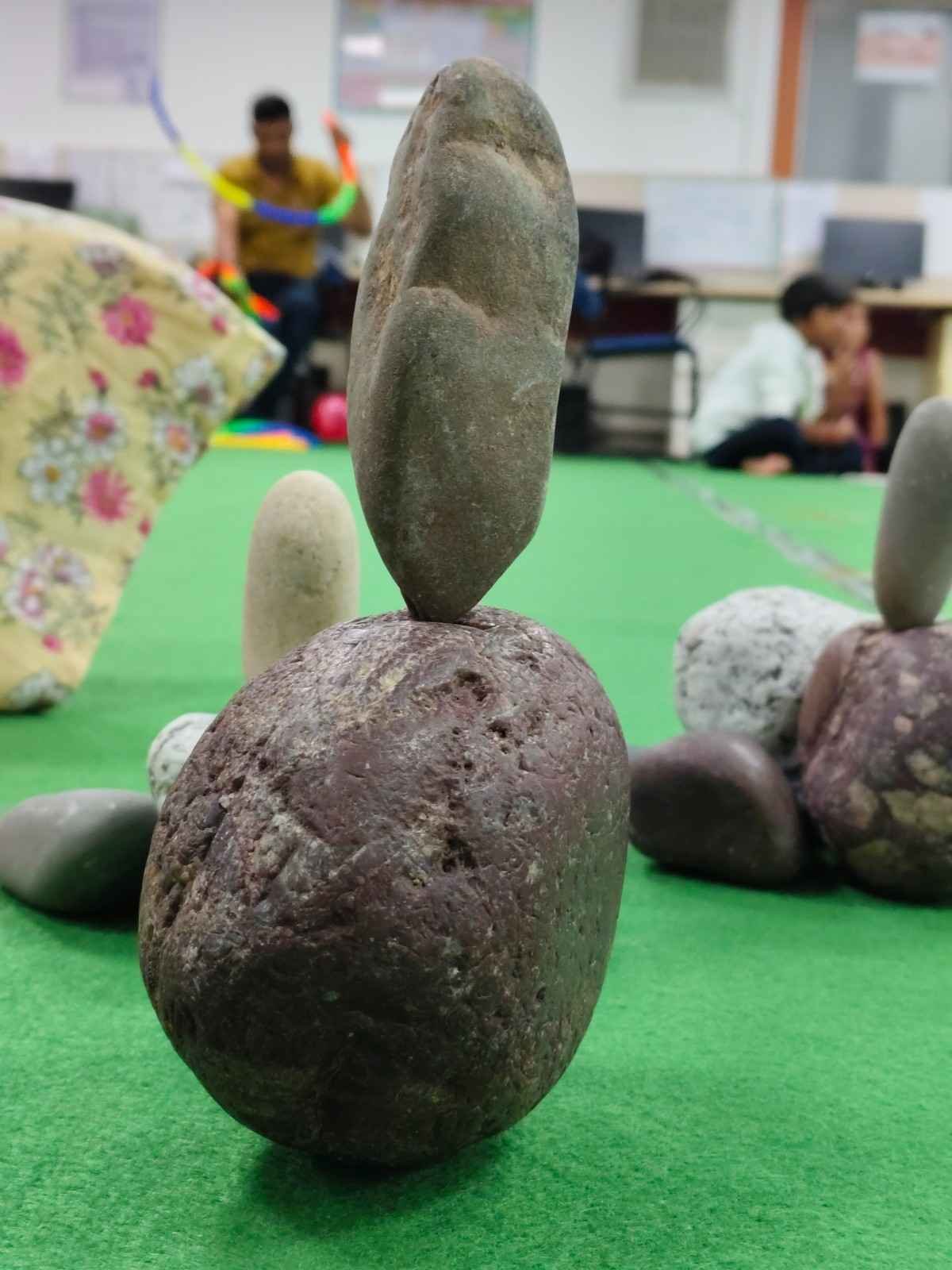
This method involves aligning stones vertically to create dramatic towers.
Stone balancing tips for beginners:
- Look for stones with natural ridges or edges.
- Use your fingers to feel the “sweet spot.”
- Add stones slowly and adjust until gravity locks them in place.
Vertical alignment requires patience, making it one of the more advanced rock balancing techniques, but still accessible for beginners.
Step-by-Step Guide to Start Rock Balancing
To make rock balancing for beginners simple and enjoyable, follow the step-by-step process below:

Step 1: Choose a Safe Location
Find a quiet outdoor area with plenty of stones. Riverbanks, beaches, hiking trails, and parks are great places. Ensure you respect the environment and avoid disturbing wildlife habitats.
Step 2: Select the Right Rocks
For beginners, stone selection is crucial. Here are a few stone balancing tips:
- Start with flattish rocks for your base.
- Avoid slippery stones, such as wet river rocks.
- Use bigger stones at the bottom and lighter stones on top.
- Experiment with different textures and shapes.
Choosing the right stones makes learning rock balancing for beginners much easier.
Step 3: Build a Stable Foundation
Your first rock should be heavy and flat. This ensures stability for the entire structure.
Keep in mind:
- A steady foundation prevents the upper stones from shifting.
- Find a level spot on the ground.
Step 4: Start Balancing One Rock at a Time
Use the three-point balance technique to place your second stone. Hold the rock gently and slowly shift it until it “locks” into place. This is a key part of learning rock balancing techniques for beginners.
Step 5: Move Slowly and Stay Patient
Rock balancing is not about speed. Move slowly and feel the weight of each rock. If the structure collapses, which will happen often, simply start again. Patience is part of mastering rock balancing for beginners.
Step 6: Add Creative Elements
After mastering basic stacks, try adding:
- Horizontal stones
- Triangular arrangements
- Thin or oddly shaped rocks
This is where your creativity and understanding of stone balancing tips grow stronger.
Common Mistakes Beginners Should Avoid
When learning rock balancing for the first time, it’s natural to feel excited and eager to create beautiful formations quickly. However, most beginners face similar challenges that can slow down their progress.
Understanding these common mistakes will help you avoid frustration and develop smoother control over your balancing techniques.
1. Choosing the Wrong Base Rock
Many beginners start with small or unstable rocks at the bottom, which causes the entire structure to collapse. The base rock is the foundation of your balance, so it must be large, flat, and heavy. A stable base supports the upper stones and distributes weight evenly. If your structure falls repeatedly, the base is usually the reason. Always spend extra time selecting a strong, reliable foundation.
2. Rushing the Balancing Process
Rock balancing is a slow and mindful practice. Beginners often rush to place stones quickly, hoping to see immediate results. Fast movements disrupt the stability of the rock, making it wobble or fall. The key is to move slowly and gently, giving the stone time to “settle” into its natural resting point. Patience is one of the most important skills in rock balancing.
3. Ignoring the Center of Gravity
Every rock has a unique weight distribution. Beginners sometimes place stones randomly without feeling for the natural balance point. This makes the structure unstable from the start. Instead, rotate each stone gently in your hands and pay attention to how it shifts. When you find the three-point balance, the stone will feel less heavy and more steady. This simple step increases success dramatically.
4. Using Slippery or Wet Stones
Wet river stones, algae-covered rocks, or smooth polished stones are difficult to balance because they have less friction. Beginners often don’t realise how much this affects stability. Before balancing, wipe the stones dry or choose rough-textured rocks. More friction means more control, especially during your first attempts.
5. Building Too High Too Soon
It’s tempting to create tall stone towers right away, but this often leads to repeated failures. Height requires advanced control and a strong understanding of weight distribution. Beginners should start with short, simple stacks of two or three stones. Once you build confidence, you can gradually try more complex formations.
6. Not Working With Natural Shapes
Some rocks have natural ridges, edges, or flat spots that make balancing easier. Beginners sometimes ignore these features and try to balance rocks on uneven or curved surfaces. Instead, learn to work with the natural shape of each rock. Look for contact points that help stones fit together like puzzle pieces.
7. Practicing in Windy or Unstable Conditions
Strong wind, uneven ground, or shifting sand can make balancing nearly impossible. Beginners may think they lack skill when the real issue is the location. Choose a calm day and a stable surface when practicing rock balancing. A controlled environment makes learning much more enjoyable.
8. Getting Frustrated Too Easily
Rock balancing requires patience, and even experienced artists deal with collapses. Beginners sometimes feel discouraged after a few failures. Instead of giving up, view each collapse as part of the learning process. Every attempt teaches you something about gravity, touch, and stone structure.
Useful Stone Balancing Tips for Success
These simple stone balancing tips will help speed up your progress:
- Practice daily, even for a few minutes.
- Use both hands for better stability when starting.
- Feel the vibration of the stone as it settles.
- Work in calm weather; wind makes balancing difficult.
- Don’t force stones; let gravity guide your movement.
Consistently using these tips will make rock balancing for beginners more enjoyable and help you improve quickly.
Conclusion
Learning rock balancing for beginners is an engaging way to connect with nature while developing patience, focus, and artistic skill. By understanding essential rock balancing techniques, practicing regularly, and following simple stone balancing tips, you can create stunning natural sculptures that reflect your creativity and mindfulness.
Whether you want to build tall balancing towers or experiment with artistic formations, rock balancing offers endless possibilities. With practice, you’ll discover the beauty of stability, gravity, and harmony, all achieved with nothing but your hands and a few stones.