

Effective communication is the backbone of every successful organization, yet it’s also one of the most common struggles in modern workplaces. As companies evolve and teams become more diverse, distributed, or hybrid, maintaining smooth and open communication becomes even more essential. That’s exactly where team building makes a significant impact.
This article explores how team building boosts communication, strengthens relationships, and helps employees collaborate more naturally. Let’s dive into how it works, why it matters, and how you can maximize its benefits.
Why Communication Breaks Down in the Workplace
Before understanding how team building helps, it’s important to recognize why communication issues happen in the first place. Many organizations face challenges such as unclear expectations, departmental silos, personality differences, remote work barriers, or simply a lack of trust.
These issues can create tension, slow down projects, and lead to misunderstandings. But when teams engage in intentional activities that bring them together, communication instantly becomes more natural and collaborative. This is one of the key reasons behind the growing importance of team building in every industry.
How Team Building Enhances Workplace Communication
Team building plays a powerful role in breaking communication barriers and creating a supportive environment where employees feel comfortable expressing their ideas. Below are the most important ways it transforms communication at work.
1. Team Building Encourages Open Dialogue
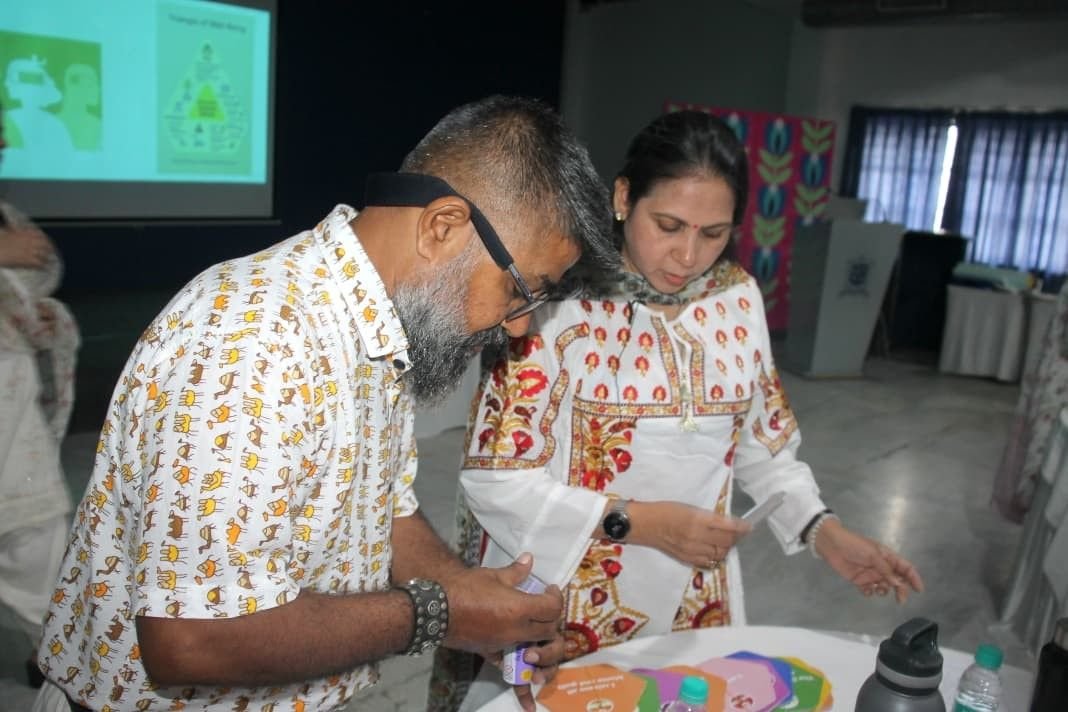
One of the biggest benefits of team building is how it encourages people to talk openly. When employees participate in activities together, whether it’s a problem-solving game, a workshop, or a fun bonding activity, they interact outside their formal roles.
This helps remove fear or hesitation. People begin to see each other as collaborators rather than just coworkers. As a result, team building and communication become deeply connected, allowing employees to speak more freely, share feedback, and collaborate without hesitation.
2. Team Building Builds Trust and Reduces Misunderstandings
Trust is essential for any team to function smoothly. Without trust, even the most talented group will struggle to communicate effectively. Through shared experiences and supportive activities, team building strengthens trust naturally.
Once trust is established, employees find it easier to clarify doubts, ask questions, and give feedback. This leads to significant team collaboration improvement, especially in tasks that require teamwork, coordination, and problem-solving.
3. Improving Team Communication Through Active Participation
Many employees struggle with communication because they simply don’t get enough opportunities to practice it. Team building creates an environment where every team member, introverts and extroverts alike, gets a chance to speak, share, and contribute.
Whether it’s brainstorming, planning, or completing challenges, activities encourage active participation. This exposure plays a crucial role in improving team communication on a daily basis.
4. Team Building Helps Break Down Silos
Departmental silos are one of the biggest obstacles to communication. Teams often work in isolation, which limits collaboration and delays important decisions. Team building brings people from different teams together, helping them understand each other’s roles, responsibilities, and challenges.
This awareness leads to smoother workflows and more efficient teamwork, ultimately creating a culture of cross-functional cooperation.
5. Team Collaboration Improvement Through Problem-Solving
Many team building activities center around solving problems, completing tasks, or overcoming challenges together. These shared experiences naturally enhance communication because employees must coordinate, strategize, delegate, and support each other.
The collaborative mindset developed in these activities carries over to the workplace, driving real team collaboration improvement in everyday tasks and long-term projects.
Types of Team Building Activities That Improve Communication
Not all activities produce the same results. The best ones are interactive, engaging, and designed with communication in mind. Here are some effective options:
1. Communication Workshops and Exercises
Workshops that focus on active listening, empathy, and clarity help employees develop essential communication skills. These are especially helpful when your goal is specifically improving team communication.
2. Problem-Solving Challenges
Escape rooms, puzzles, obstacle courses, or strategy games require teams to share ideas quickly and effectively. These activities encourage open communication, accountability, and creative thinking.
3. Team Bonding Games
Light, fun activities, like trivia, storytelling, or team challenges, help employees relax and build personal connections. A relaxed team communicates more naturally, which enhances both comfort and productivity.
4. Role-Reversal or Perspective-Sharing Activities
Activities that let employees experience each other’s roles or challenges help reduce misunderstandings. They also strengthen empathy and reinforce the importance of team building in maintaining harmony.
5. Virtual Team Building for Remote Teams
Online games, digital workshops, and remote bonding sessions help distributed teams stay connected. These activities make communication easier, even when employees work miles apart.
Long-Term Communication Benefits of Team Building
When done consistently, team building creates lasting changes in how employees communicate. Some of these long-term benefits include:
1. Increased Confidence Among Team Members
Employees become more comfortable sharing ideas, giving feedback, or voicing concerns.
2. Stronger Interpersonal Relationships
Colleagues feel closer, which naturally leads to easier and more respectful conversations.
3. More Effective Collaboration
Teams that trust and communicate well complete tasks faster and with fewer conflicts.
4. A More Positive Workplace Culture
When people feel connected, teamwork becomes effortless, and communication becomes second nature.
Why Consistency Is Key
One of the most overlooked aspects of team building is consistency. A single event won’t transform workplace communication. But regular, well-designed activities create habits, build trust, and strengthen relationships over time.
This is why many organizations now integrate team building into their internal culture-building strategies. When communication improves, so does productivity, engagement, and job satisfaction.
Final Thoughts: Team Building Makes Communication Stronger
The impact of team building on workplace communication is undeniable. From building trust to breaking down silos and boosting collaboration, the benefits are long-lasting and meaningful. By investing in consistent activities that bring employees together, companies can foster a healthier, more connected, and more communicative workplace.
When people feel valued, heard, and understood, they perform better, and the entire organization thrives as a result.