In today’s fast-paced and often disconnected world, emotional well-being has become just as important as physical health. People are actively seeking safe, natural ways to release stress, process emotions, and feel connected again. This growing need has brought renewed attention to community drum circle activities, which combine rhythm, movement, and shared experience to support emotional healing in a powerful yet gentle way.
Unlike traditional therapy or structured wellness programs, a community drum circle creates space for expression without pressure. Participants do not need musical skills or prior experience. They only need a willingness to show up, listen, and be part of a shared rhythm. This simplicity is what makes drum circles so accessible and effective.
Understanding Emotional Healing Through Rhythm
Emotional healing is not always about talking or analyzing feelings. For many people, emotions are stored in the body and nervous system. Rhythm-based practices work directly with this physical-emotional connection.
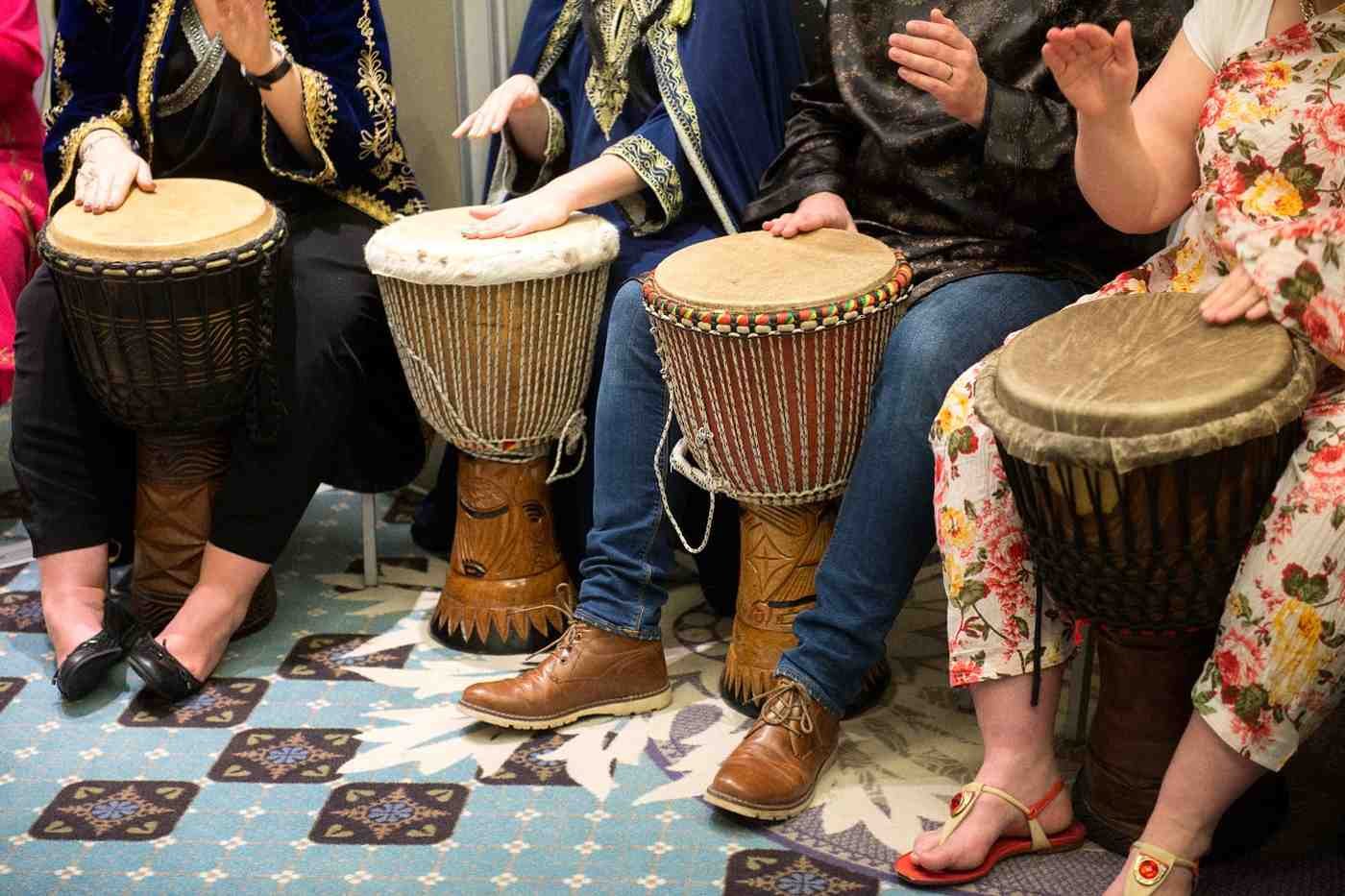
When people drum together, their breathing, movement, and heart rhythms naturally begin to synchronize. This process helps calm the nervous system and brings participants into the present moment. Over time, this shared rhythm can help release emotional tension, reduce anxiety, and create a sense of safety within the group.
A well-facilitated community drum circle offers a non-verbal pathway for emotional expression, which is especially valuable for those who struggle to articulate what they feel.
What Makes Community Drum Circles Different From Other Healing Practices
Community drum circles stand apart from many wellness activities because they are collective rather than individual. Emotional healing happens not in isolation, but through shared presence and participation.
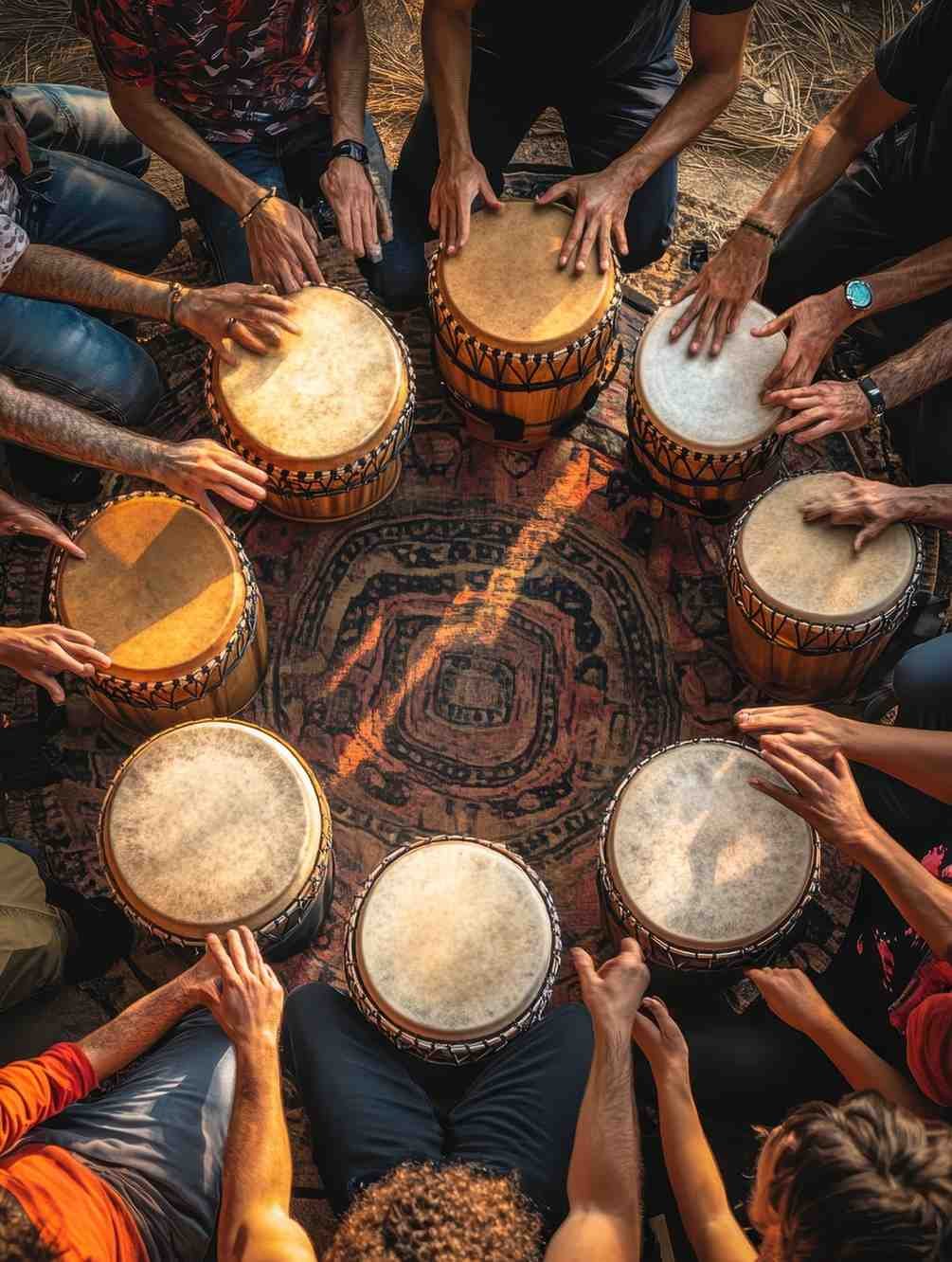
There is no audience and no performance. Everyone in the circle is an equal contributor. This lack of hierarchy helps people feel accepted and seen, which is essential for emotional healing. The circle itself becomes a container where emotions can surface naturally, without judgment.
This is also what distinguishes a healing drum circle from casual music gatherings. The intention is not entertainment, but connection, awareness, and emotional balance.
Core Community Drum Circle Activities That Support Emotional Healing
While every drum circle is unique, certain activities are commonly used to support emotional release and group connection. These activities are gentle, inclusive, and adaptable to different emotional needs.
- Call-and-response drumming to build trust and listening
- Free-form rhythm sessions that allow emotional expression
- Guided breathing combined with soft drumming patterns
- Group rhythm-building to create a sense of unity and belonging
These community drum circle activities work because they allow participants to move between structure and freedom, helping emotions surface organically rather than being forced.
The Role of Sound Healing in Drum Circles
Many drum circles naturally overlap with sound healing practices. A sound healing drum circle uses rhythm, vibration, and resonance to influence the body’s energy and emotional state.
Low-frequency drum sounds are known to promote grounding and relaxation. When combined with intentional pacing and mindful facilitation, these rhythms help participants slow down mentally and emotionally. Over time, this can support better emotional regulation and inner balance.
Unlike passive sound healing sessions, drumming is participatory. This active involvement deepens the healing experience and reinforces a sense of agency and empowerment.
Emotional Benefits of Participating in a Healing Drum Circle
Regular participation in healing-focused drum circles can lead to noticeable emotional shifts. These changes often emerge gradually, as trust builds within the group and individuals become more comfortable expressing themselves.
- Reduced stress and emotional overwhelm
- Improved emotional awareness and self-expression
- Stronger sense of connection and belonging
- Increased feelings of calm and grounding
These benefits are closely tied to the communal nature of the experience. Emotional healing becomes something shared, rather than something people feel they must handle alone.
Creating Safe and Inclusive Spaces for Emotional Healing
Emotional healing requires safety, both physical and emotional. A responsible community drum circle prioritizes inclusivity, consent, and gentle facilitation.
Facilitators play a key role in setting the tone. Clear guidelines, respectful pacing, and attentive observation ensure that participants feel supported throughout the session. Silence, pauses, and reflection are just as important as sound.
This approach allows participants to engage at their own comfort level, making the circle accessible to people of all ages and emotional backgrounds.
Why Community Drum Circles Are Especially Relevant Today
Modern life often limits opportunities for genuine human connection. Digital communication, busy schedules, and social pressure can leave people feeling isolated, even when surrounded by others.
Community drum circle activities respond directly to this gap. They create a shared, embodied experience that brings people into the same physical and emotional space. Rhythm becomes a universal language that transcends age, culture, and personal history.
This is why many wellness practitioners, community leaders, and facilitators are increasingly integrating community drum circle experiences into holistic wellbeing initiatives.
Integrating Drum Circles Into Community Wellness Programs
Drum circles can be offered as standalone sessions or integrated into broader community wellness efforts. They work particularly well alongside mindfulness practices, stress management programs, and group healing initiatives.
When introduced consistently, drum circles help communities build emotional resilience and stronger interpersonal bonds. Over time, participants begin to associate the circle with safety, release, and renewal.
Professional community drum circle facilitators often design sessions tailored to the emotional needs of specific groups, such as caregivers, seniors, youth, or wellness communities.
Conclusion: Rhythm as a Pathway to Emotional Healing
Emotional healing does not always require words or analysis. Sometimes, it begins with rhythm, presence, and shared experience. Community drum circle activities offer a natural, inclusive way for people to reconnect with themselves and others through sound and movement.
By creating safe spaces for expression and connection, drum circles help individuals release emotional tension and rediscover a sense of balance. As communities continue to seek meaningful, human-centered wellness practices, the role of the community drum circle in emotional healing becomes increasingly valuable.
For those looking to explore collective healing through rhythm, thoughtfully facilitated drum circles can be a powerful starting point toward deeper emotional well-being and connection.